
Last Updated on October 16, 2025 by Ketki Gadre
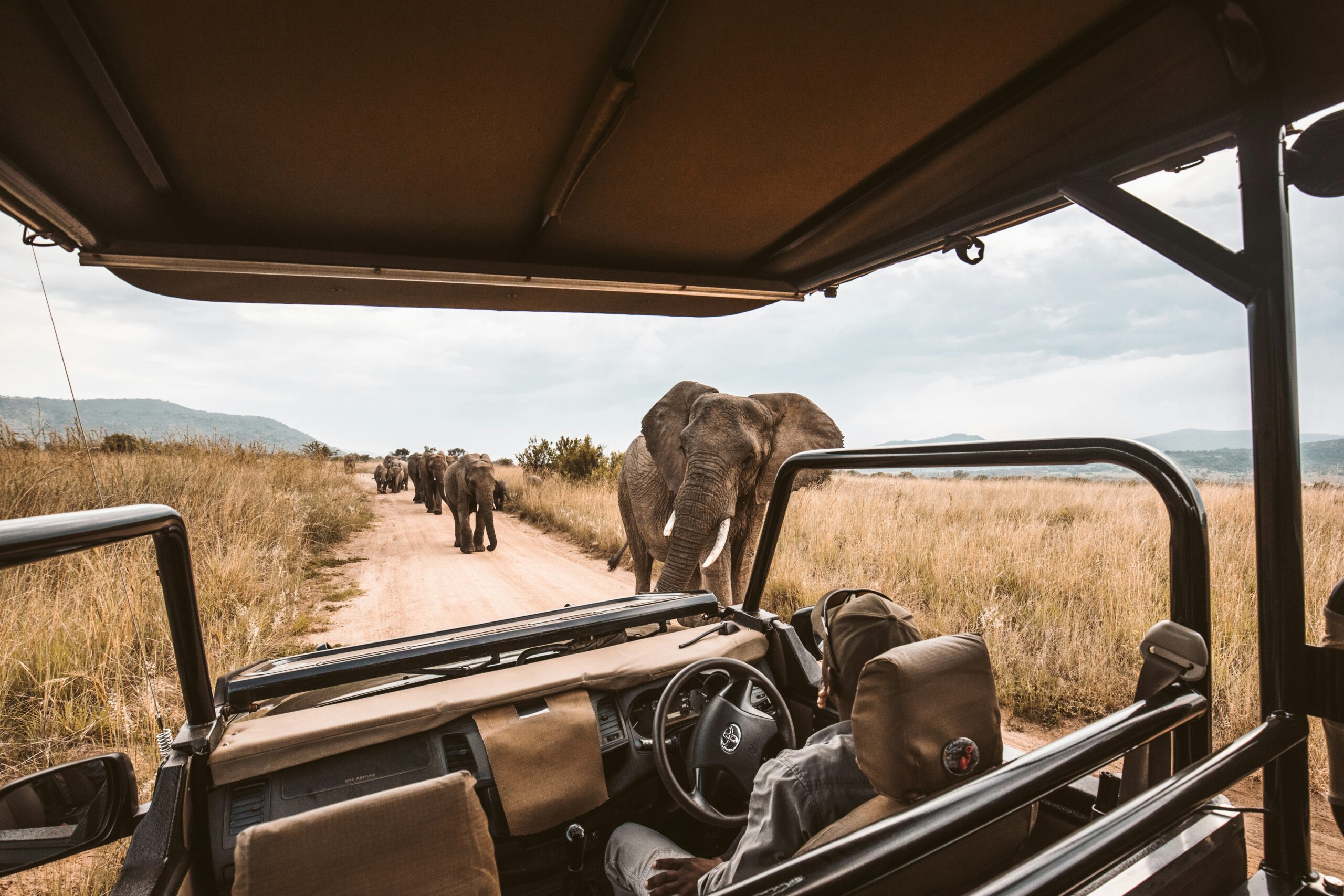
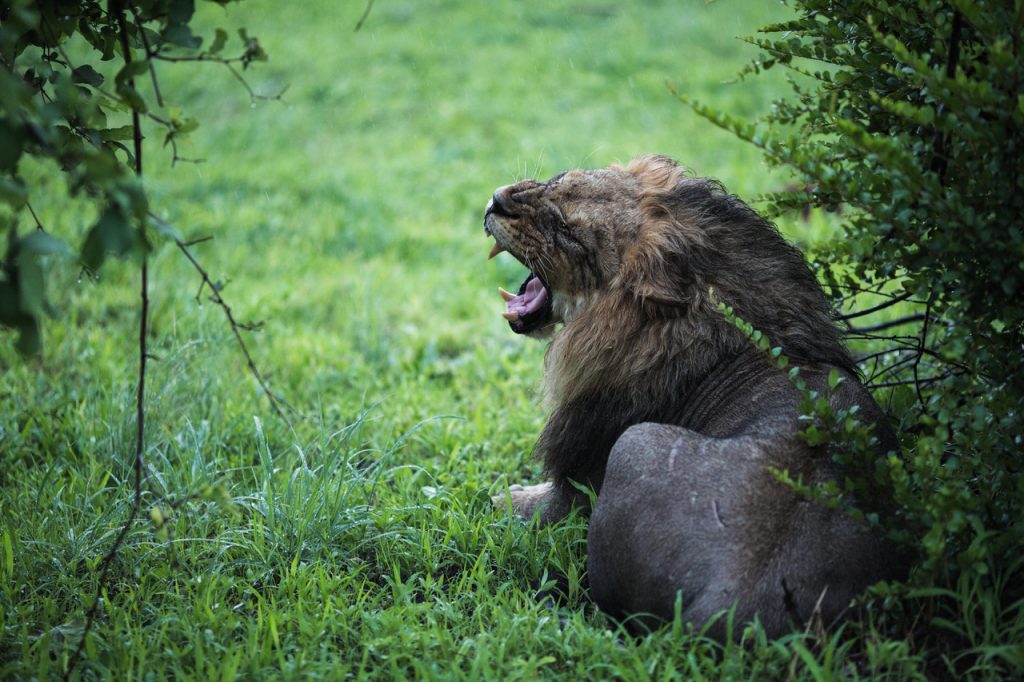
An African safari is something everyone should experience at least once in their lifetime. There’s nothing quite like watching a herd of elephants tramp across the savannah or a pride of lions stroll past after a day of heavy hunting.
Not only is it an opportunity to see different wildlife in their natural habitat, but it is also a way to step away from the noise of everyday life.
But an African safari also comes with responsibility. The responsibility of enjoying the magical experience while minimising your ecological footprint. That’s how you ensure that the same awe-inspiring landscape and the animals that call it home remain for generations to come.
The good news is that if you’re intentional about your planning and activities, you can do just that. Here are some tips to make your safari both unforgettable and sustainable.
Table of Contents
Importance of Responsible Travel
While breathtaking, African wildlife can be quite fragile. Drop a chocolate wrapper carelessly in the savannah, and you risk the life of a curious antelope or monkey.
This is not a made-up scenario. It is actually happening on the Kenyan island of Lamu. Lamu is a UNESCO World Heritage Site, where there are no cars, and residents rely on the nearly 3,000 donkeys for moving about. Unfortunately, these donkeys are dying after swallowing plastic wraps while grazing.
These plastic materials didn’t just appear on Lamu. Humans dropped them elsewhere, and the sea brought them to the island. If it’s happening in Lamu, it’s a safe bet that it’s also happening in the wild, too. Elephants, giraffes, and even birds aren’t immune.
Tips for Minimising Your Ecological Footprint During an African Safari
So, how can you minimise your ecological footprint during an African safari to protect the wildlife and their habitat, and without sacrificing your fun, too? Let’s look at four practical strategies that work.
Travel Smart
There’s no escape from flying when going on a safari to Africa, but you can still cut back on the number of flights you take. In fact, once you arrive in-country, it’s a good idea to consider other forms of transportation when moving between reserves.
Apart from the benefit of helping to reduce your carbon footprint, you’ll also get to see and experience more of the countryside.
If you must fly, then look into carbon offset programs. These are programs that fund carbon reduction projects as a way of compensating for an aircraft’s carbon emissions during flight.
It might not be the perfect solution as it doesn’t prevent emissions from aircraft, but it’s better than ignoring the problem altogether.
Pack Sustainably
As we’ve already pointed out, waste, especially plastic waste, is a huge problem across Africa’s parks. Just like in Jamie Uys’ 1980 comedy film, The Gods Must Be Crazy, a single bottle tossed out of a jeep can ripple through an ecosystem, affecting both the land and the animals that call it home.
The solution is simple: pack and travel with eco-friendly, reusable gear like a reusable water bottle, bamboo utensils, and paper or cloth shopping bags instead of relying on packaged disposable items.
Many of these disposable items undergo a sterilisation process that involves ethylene oxide, a chemical that has raised serious health concerns. Ethylene oxide has been linked to cancers like breast cancer, leukaemia, Hodgkin lymphoma, multiple myeloma, and various types of non-Hodgkin lymphoma, according to TorHoerman Law.
There’s even an ongoing ethylene oxide lawsuit in the USA because of the risks associated with long-term exposure.
Travelling with reusable, eco-friendly items will not just help you cut waste, but you’re also sidestepping the health hazards associated with how those products are manufactured.
Respect Wildlife
Taking pictures and videos are to be expected in an African safari, but how you do it matters. You must keep a safe distance from the wild animals, both for your good and theirs. If your presence stresses them, it can disrupt their behaviour and put you in danger.
Something like this played out a few months ago, when an 80-year-old American tourist was killed in an elephant attack during a game drive in Zambia. Five other people were injured in that attack, likely when the truck startled the “aggressive” bull elephant.
The lesson: don’t get too close. Obey your guide at all times, and resist the urge to lure or feed the animals.
Shop Responsibly
Tourism is a big deal for African countries. Take Kenya, for example. In 2024, travel and tourism contributed a whopping KSh1.2 trillion to the national economy. That’s about USD9.3 billion. It’s safe to assume that some of this revenue came from money tourists spend on park fees, local guides, and souvenirs to take home.
But here’s the thing: some of the items you buy may come from sources that contribute to ecosystem destruction or illegal trade.
A recent AP article highlighted the persistent trade in lion and leopard parts in Niokolo-Koba National Park, Senegal. Many of these items are likely sold to tourists who don’t always realise how illegal or harmful the trade is.
You can avoid this by only buying keepsakes like handmade baskets, textiles, and artwork from local artisans. Not only will you be taking something interesting back home, you’ll be putting money in the hands of the people who actually depend on tourism for their livelihood.
Keep African Safari Landscape Beautiful
Going on an African safari is an exciting experience, but when you do it in such a way that your ecological footprint is as minimal as possible, it transforms from a simple sightseeing adventure into something with more meaning.
Whether you’re visiting South Africa, Botswana, Kenya, Zimbabwe, Uganda, or Congo, be intentional about your planning and your activities, so that these beautiful places will remain beautiful for the next generation to also experience.
