Last Updated on December 16, 2025 by Ketki Gadre
If you are looking for the best Gyeongju Itinerary and wondering about all the things to do in Gyeongju and places to visit in Gyeongju, you have come to the right place. Read to know all about Gyeongju, especially in spring.
Gyeongju was not on my list of places to visit in South Korea. I obviously wanted to tick off Seoul, Busan and Jinhae because of cherry blossoms.
However, it was on the itinerary of my tour, and I was intrigued to know more about it. This is when I came to know that Gyeongju is known as the “Museum without Walls” because of the numerous archaeological sites, royal tombs, ancient temples, and observatories that are listed under the UNESCO World Heritage Site.
This convinced me that Gyeongju is worth visiting in South Korea.
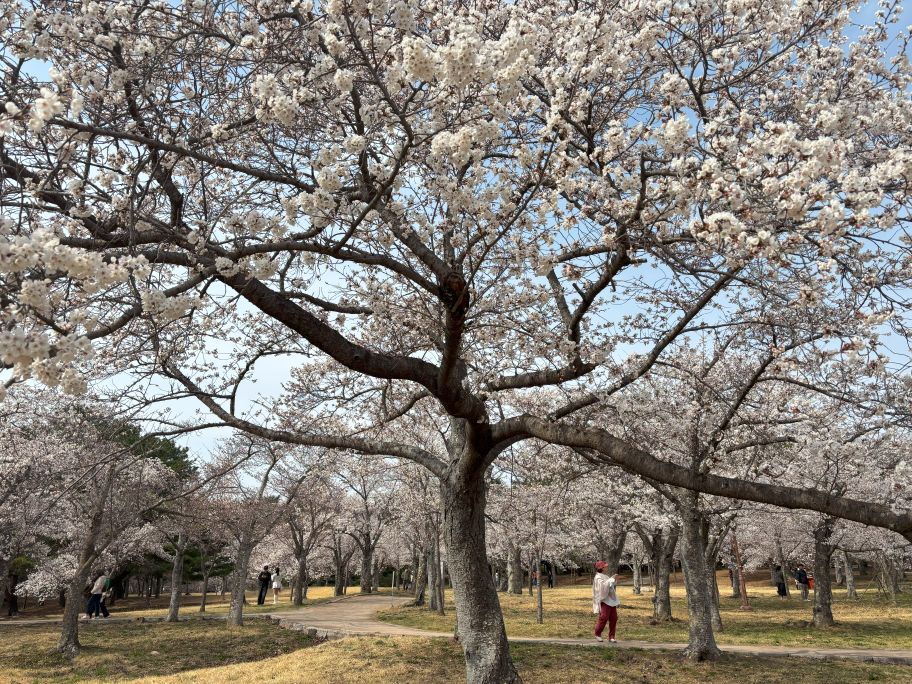
Table of Contents
HISTORY OF GYEONGJU
Gyeongju’s story dates back more than 2,000 years. In 57 BCE, a group of villages came together under the leadership of Park Hyeokgose, who founded the Silla kingdom—one of Korea’s legendary Three Kingdoms.
Over time, Gyeongju grew into a powerful capital and the seat of the Silla court, where the elite lived in wealth and grandeur. Silla was often called the “land of gold,” and dazzling treasures unearthed here still speak of the kingdom’s prosperity.
By 668 CE, the Silla dynasty had established a robust legal system and adopted Buddhism as both a spiritual and political foundation.
At its height, Gyeongju was a bustling city, home to temples, palaces, and markets, with a population that may have reached a million.
The city’s fortunes later waned as power shifted north during the Goryeo and Joseon dynasties. It endured devastation during the Mongol invasions of the 13th century and again in the Imjin War with Japan in the late 1500s.
Yet, despite centuries of upheaval, Gyeongju still preserves an extraordinary collection of historic monuments, temples, and architectural wonders that make it a living museum of Korea’s past.
THINGS TO DO IN GYEONGJU
While a lot of people skip Gyeongju from their itinerary, I highly recommend spending at least 2 days in Gyeongju. Here are all the tourist attractions in Gyeongju.
Pay respect at the Bulguksa Temple
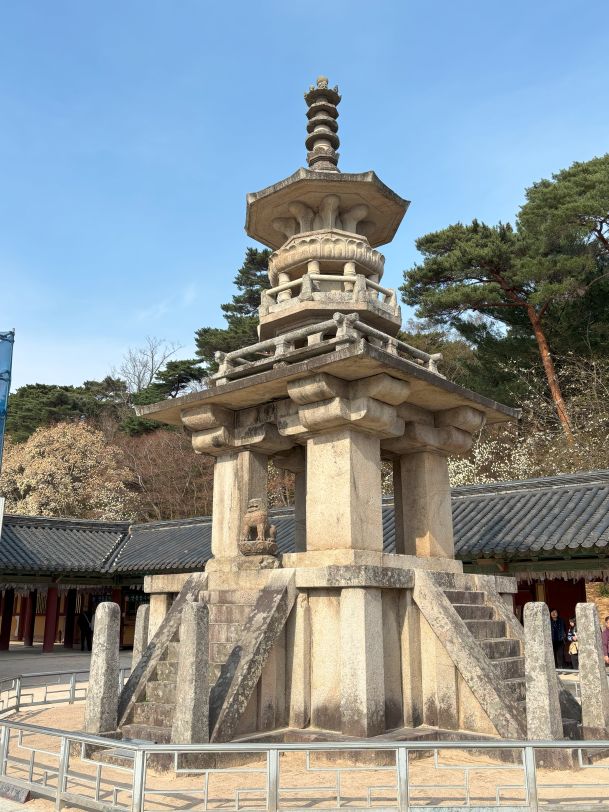
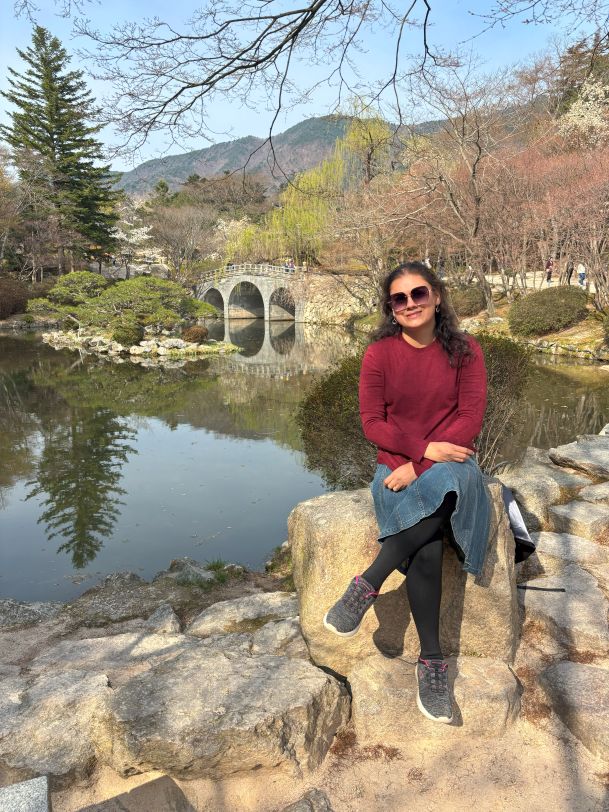
Begin your morning in Gyeongju with a bus ride into the rolling hills just outside town, where the celebrated Bulguksa Temple awaits. This is one of the best places to visit in Gyeongju, especially in spring. The photos say it all!
Built in the 8th century during the height of the Silla dynasty, this sacred complex is often described as one of Korea’s most magnificent temples and a true masterpiece of Buddhist art and architecture.
Recognised as a UNESCO World Heritage Site since 1995, Bulguksa is also the head temple of the Jogye Order of Korean Buddhism.
What makes it especially striking are its elegant stone stairways – Cheongungyo (Blue Cloud Bridge) and Baegungyo (White Cloud Bridge) – that symbolically connect the earthly world to the realm of enlightenment.
The temple grounds are dotted with national treasures, including the graceful Dabotap and Seokgatap pagodas, each representing a different aspect of Buddhist philosophy. Inside its halls, centuries-old gilt Buddha statues radiate serenity, while the surrounding pine-covered mountains add a sense of quiet majesty.
When I visited Bulguksa temple in spring 2025, there was a lot of repairing work going on, due to which I could not look at the paintings. These paintings are repainted every 3-7 years.
Bulguksa Temple timings: November – January: 7:30 am to 5:00 pm; February: 7:30 am to 5:30 pm; March – September: 7:00 am to 6:00 pm; October: 7:00 am to 5:30 pm
Bulguksa Temple entry fees: Free
Visit Seokguram Grotto
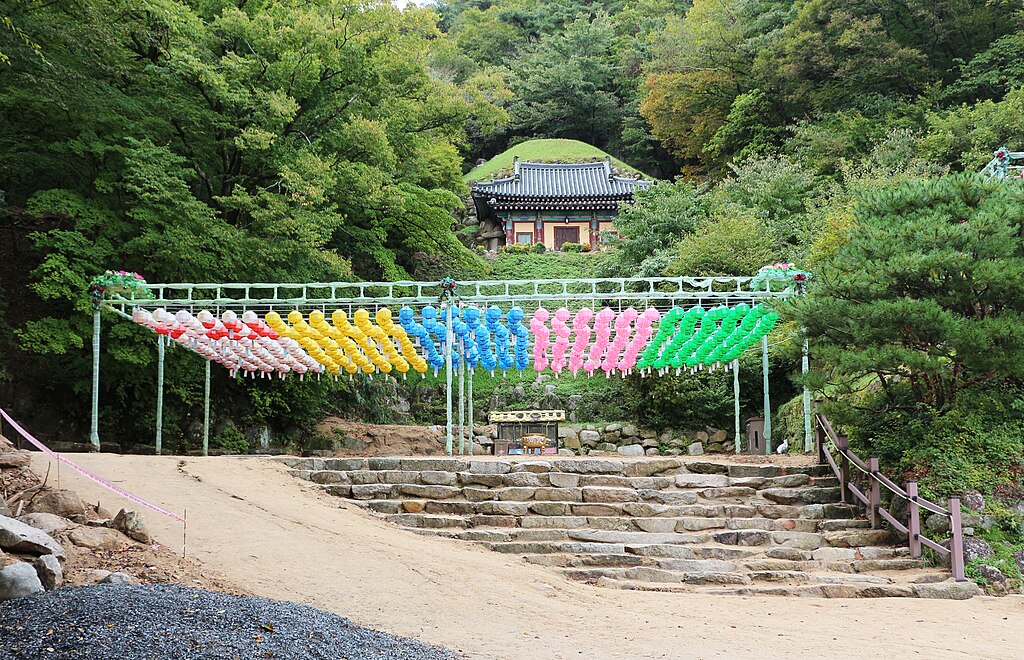
From Bulguksa Temple, you can either hike a couple of kilometres uphill, about a 30-minute walk, or hop on the #12 bus that leaves from the temple parking lot every hour starting at 8:40 AM. The bus ride takes around 20 minutes and drops you right at Seokguram Grotto.
This stone sanctuary houses a serene seated Buddha surrounded by twelve guardian figures, each carved with striking detail. The grotto holds a special wonder during the solstice, when a shaft of sunlight streams through the dome and falls directly on the Buddha’s third eye—a moment both spiritual and spectacular.
Out of respect for its sanctity, photography inside the grotto is not allowed, but the quiet atmosphere and intricate artistry leave a lasting impression without the need for a camera.
Seokguram Grotto timings: November – January: 7:30 am to 5:00 pm; February: 7:30 am to 5:30 pm; March – September: 7:00 am to 6:00 pm; October: 7:00 am to 5:30 pm
Seokguram Grotto entry fees: 5,000 KRW per adult.
Explore the Daereungwon Tomb Complex (Royal Tombs)
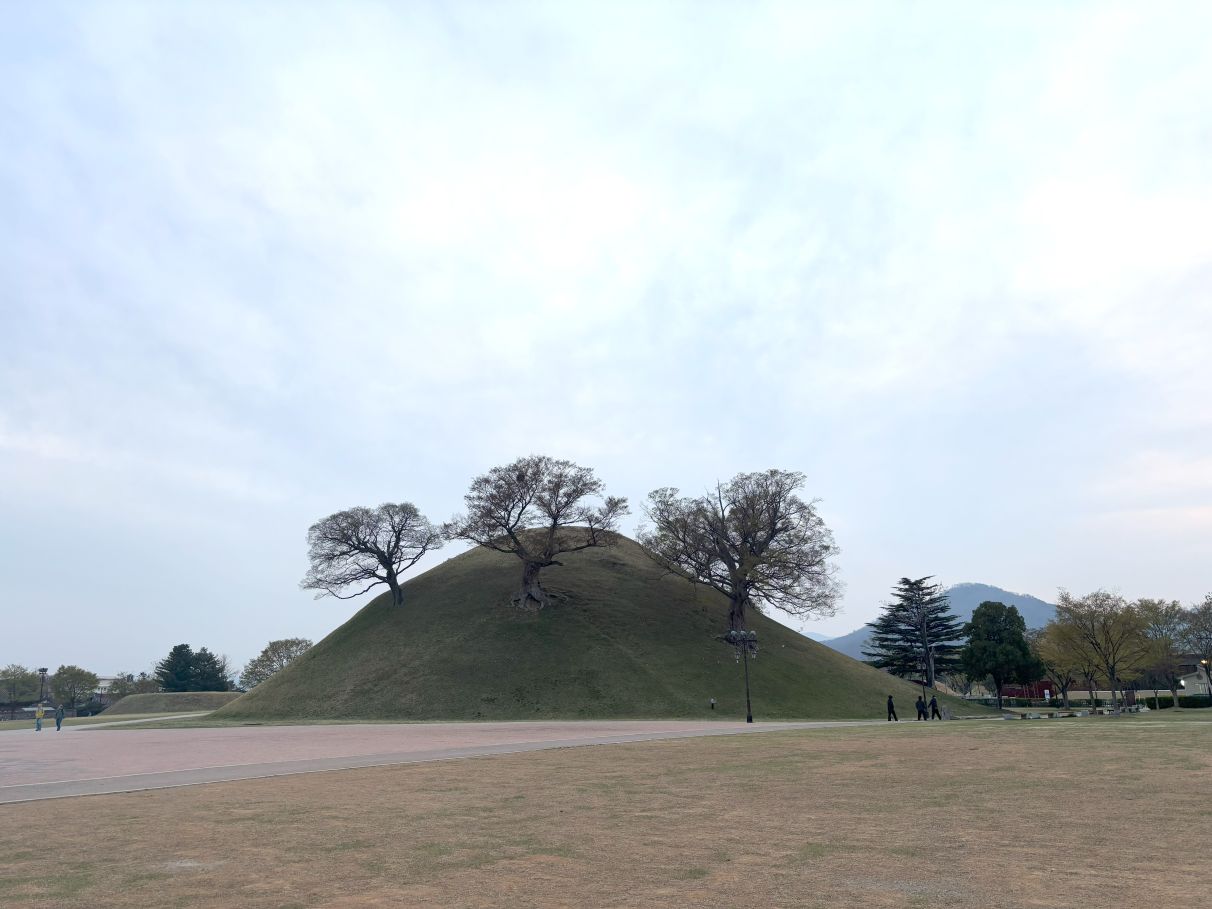
One of the most distinctive sights in Gyeongju is its collection of ancient royal tombs, which rise across the city like gentle grassy hills. The best place to explore them is Daereungwon Tomb Complex, where 23 burial mounds hold the remains of Silla kings, queens, and nobles.
Wandering through the serene grounds feels like walking through a natural park that also happens to be a thousand years old. This is definitely one of the most popular things to do in Gyeongju.
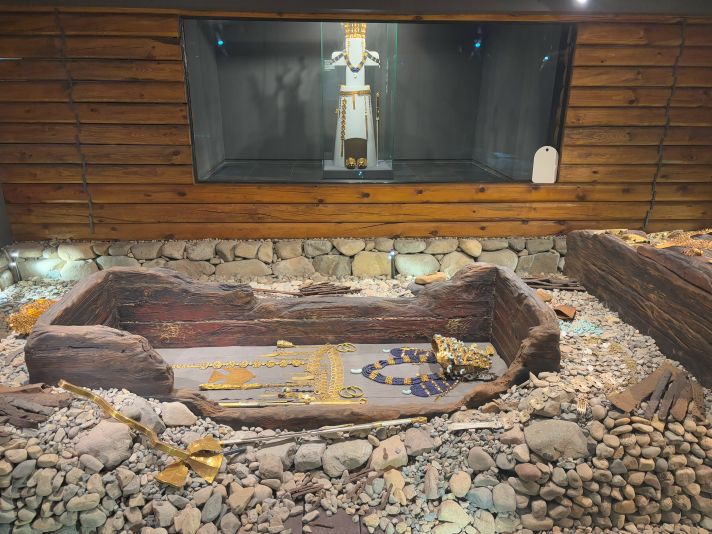
Among these mounds, the highlight is Cheonmachong, or the “Heavenly Horse Tomb”, the only one open to visitors. Step inside and you’ll discover a remarkable glimpse into Silla life through unearthed treasures, including ornaments, weapons, and an ornate gold crown that once adorned a ruler.
Daereungwon Tomb Complex timings: Every day: 9:00 am to 10:00 pm
Daereungwon Tomb Complex entry fees: 3,000 KRW per adult.
Admire the Cheomseongdae Observatory
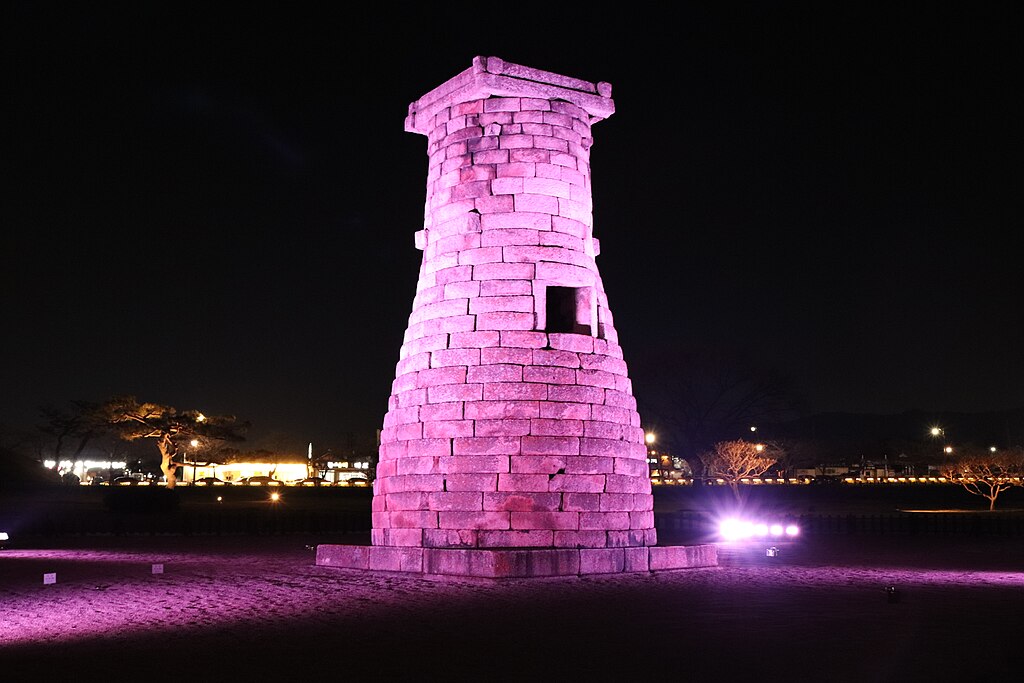
Before visiting, I had imagined a massive structure because, obviously, it is an observatory. But upon reaching there, I was surprised to see a rather modest yet remarkable stone tower that feels extraordinary when you think of its age and purpose.
Built during the reign of Queen Seondeok of Silla (632–647 CE), Cheomseongdae holds the title of being the oldest surviving astronomical observatory in East Asia.
The observatory stands about 9 meters tall and just over 5 meters across. Its design is symbolic – 365 granite blocks represent the days of the year, while the twelve stones forming its base mark the months.
During the day, Cheomseongdae is a fascinating relic of early science, and by night, it glows under the starry sky, transforming into a romantic backdrop for evening walks.
In autumn, the scene is even more magical – a sweep of pink muhly grass blooms right in front of the tower, making it one of Gyeongju’s most photogenic spots.
Cheomseongdae Observatory timings: Every day: 9:00 am to 10:00 pm.
Cheomseongdae Observatory entry fees: 4,000 KRW per adult.
Hwangnidan Street
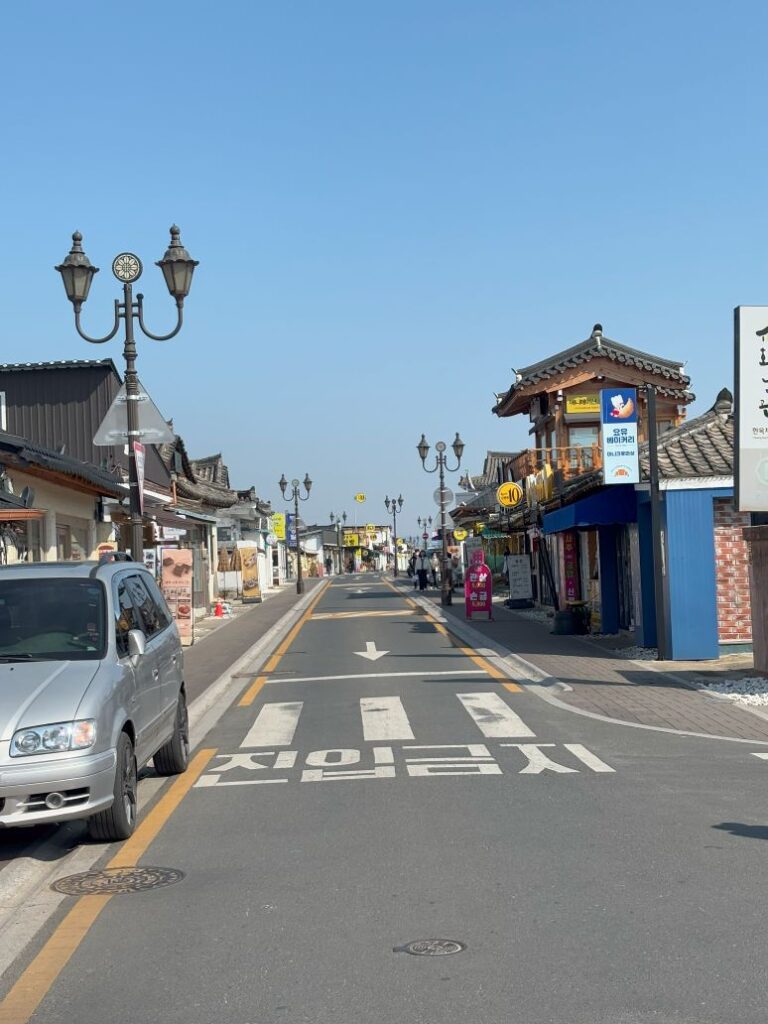
By the time you’ve finished visiting all the places listed above, it will be evening! And the best way to spend the evening is at Hwangnidan Street.
Hwangnidan Street is the main bustling street of Gyeingju and home to many cafes, restaurants, and shops, which are all in renovated or newly-built traditional hanok-style buildings.
The views here at night are especially nice and lively, though most shops close around 9 pm.
There are lots of stationary and souvenir shops and photo booths, ensuring a lively evening here.
Definitely add to your list of things to do in Gyeongju.
Hwangnidan street timings: Most shops are open from 10 am to 9 pm.
Explore Gyeongju Namsan Mountain / Gyeongju National Park
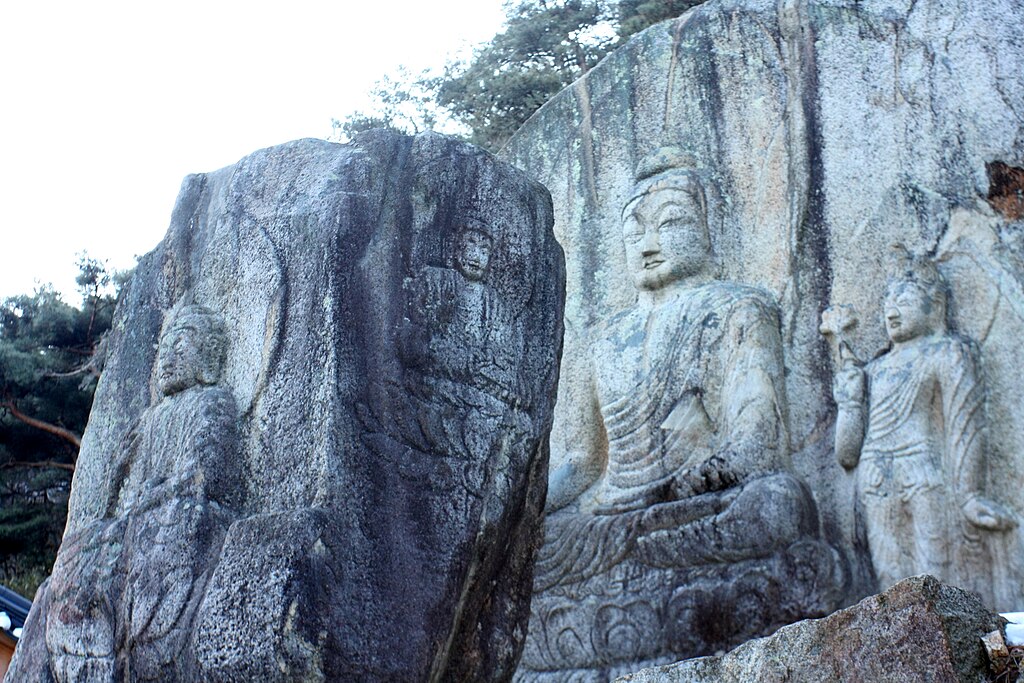
If you love hiking, then Gyeongju will not disappoint. There are many hiking trails across the Gyeongju National Park.
The mountain has over 100 temples and 80 stone Buddha statues, spread across, and it is like a treasure hunt to find them. Depending on the time, you can tick off as many as you can. Make sure to stop by the Tourist Information Centre in town to get a map of the mountain and the hiking trails.
It’s a moderate hike, although there are some steep sections. There were tall grasses to walk through, hidden relics to be found, and views to be had.
Gyeongju Namsan Mountain timings: Every day: 7:00 am to 6:00 pm.
Gyeongju Namsan Mountain entry fees: Free
Get awed by Donggung Palace & Wolji Pond
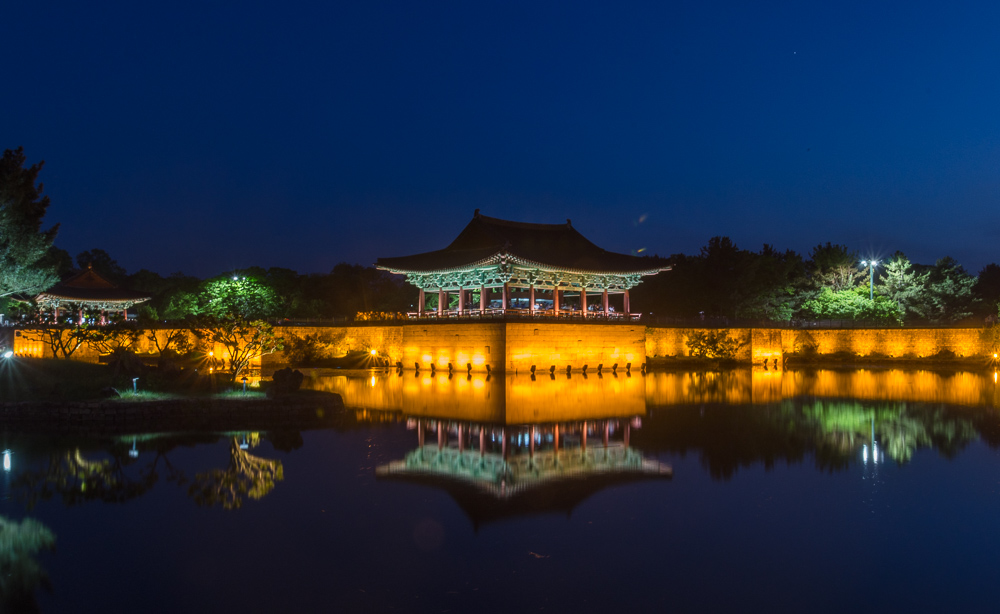
A visit to Donggung Palace and Wolji Pond is one of the best Gyeongju tourist places. While only a fraction of the original palace complex remains, the site still feels magical, especially in the evening.
As the sun dips, the reconstructed pavilions glow with warm light, their reflections shimmering perfectly in the still waters of Wolji Pond. Which is why most people prefer visiting here in the late evening.
Wolji pond, originally designed as a place of leisure for Silla royalty, is still stunning. Whether you’re watching the lanterns flicker against the water, capturing mirror-like photos of the illuminated pavilions, or simply pausing on a bench to take it all in, Donggung Palace offers one of the most unforgettable moments in Gyeongju.
Donggung Palace and Wolji Pond timings: 9:00 am to 10:00 pm.
Donggung Palace and Wolji Pond entry fees: 3,000 KRW per adult.
Know the history at the National Museum of Gyeongju
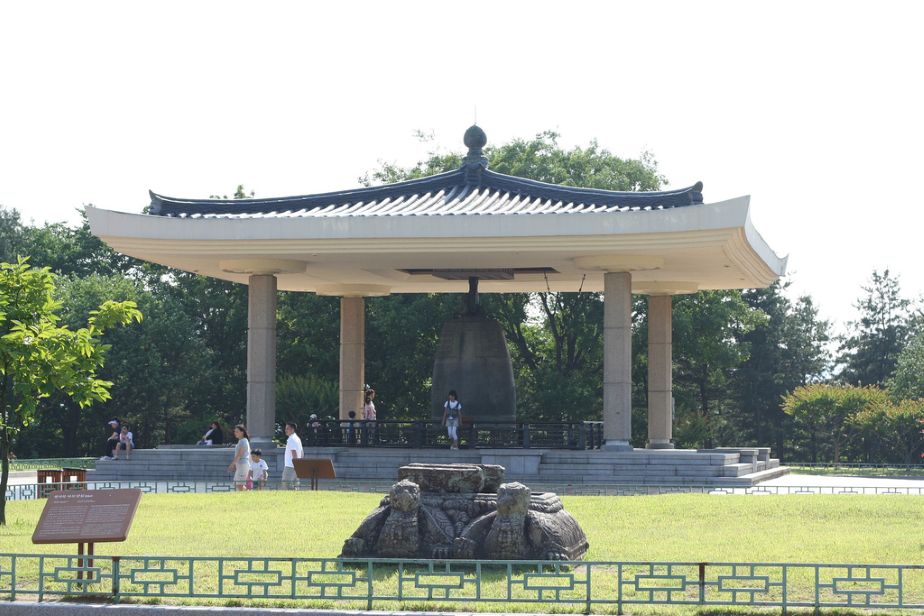
For anyone curious about the heart of the Silla Kingdom, the National Museum of Gyeongju is an absolute must-visit. The museum holds one of the richest collections of Korean treasures – think glittering gold crowns, delicate pottery, ancient statues, swords, and intricate jewellery. With thousands of artefacts on display at any given time, it’s the kind of place where every room unveils something awe-inspiring.
What makes the museum especially appealing is that it’s not just about glass cases and quiet halls. Some of its most iconic pieces, like the monumental Bell of King Seongdeok, are displayed outdoors. Standing over three meters tall and weighing a staggering 25 tons, the bell is the largest of its kind in Asia. Locals often call it the Emile Bell, a name tied to an old legend that adds an air of mystery to its deep, resonant chime.
Even if you’re not a history buff, the museum grounds are a beautiful place to wander on a sunny day, mixing fresh air, open courtyards, and the chance to encounter priceless relics scattered around the gardens.
National Museum of Gyeongju timings: Sunday – Friday: 9:00 am to 6:00 pm; Saturdays and National Holidays: 9:00 am to 7:00 pm
National Museum of Gyeongju entry fees: Free
Cross the Woljeonggyo Bridge
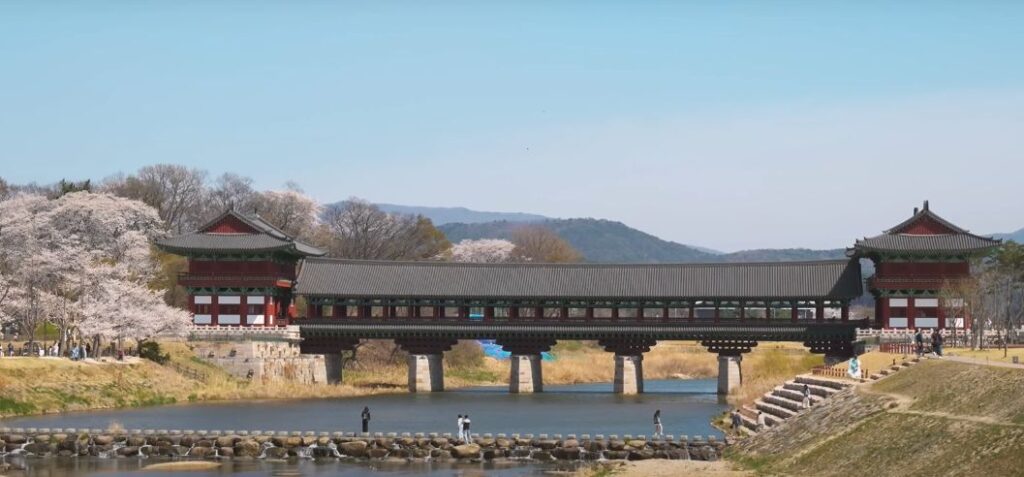
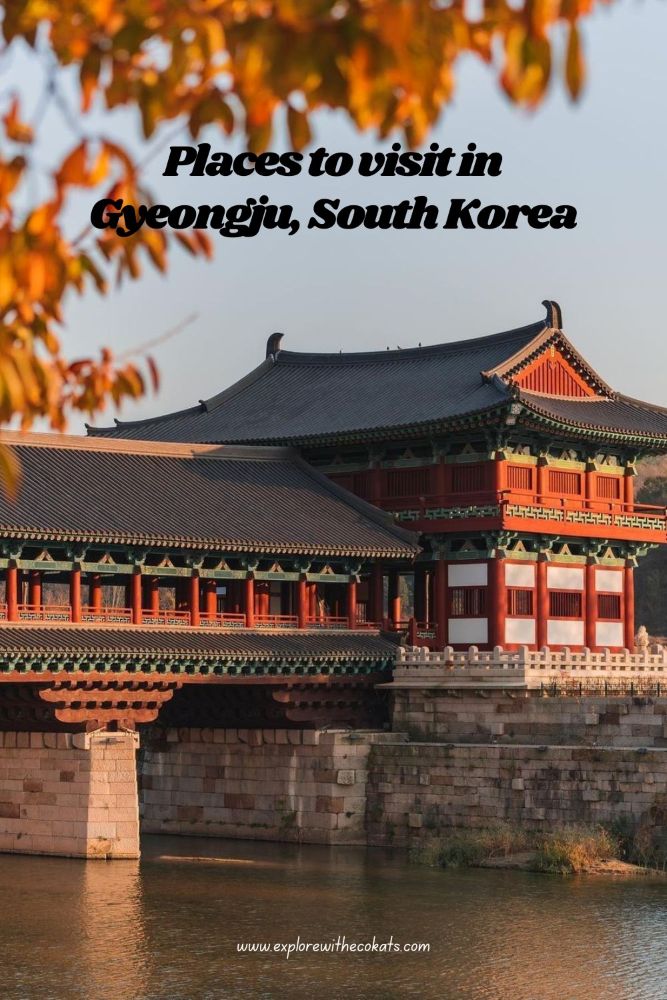
Amongst the Gyeongju Tourist Attractions, Woljeonggyo Bridge is the most popular one. Stretching across the Muncheon Stream, it holds the title of Korea’s largest wooden bridge, and its name poetically translates to “Shadow of the Moon.”
The bridge today is a careful reconstruction of an ancient covered bridge, yet it feels timeless, especially when the pavilion roofs glow at night and their reflection ripples across the water.
The setting around the bridge is just as lovely, with walking paths, gentle streamside views, and the stone stepping-stones that Korea places across rivers, offering visitors playful ways to admire the bridge from different angles.
The area is especially beautiful when cherry blossoms bloom in spring.
A lot of visitors don a Hanbok and get their photoshoot done here.
Woljeonggyo Bridge timings: 9 am to 10 pm
Woljeonggyo Bridge entry fee: Free
Get stunned by Gyeongju Tower in Gyeongju Expo Park
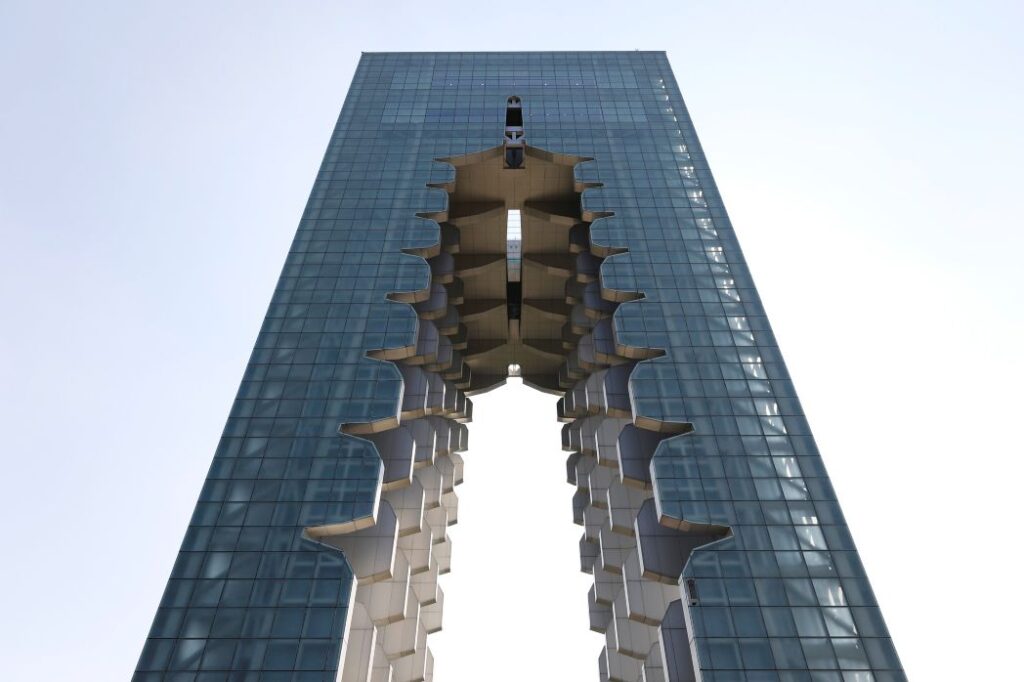
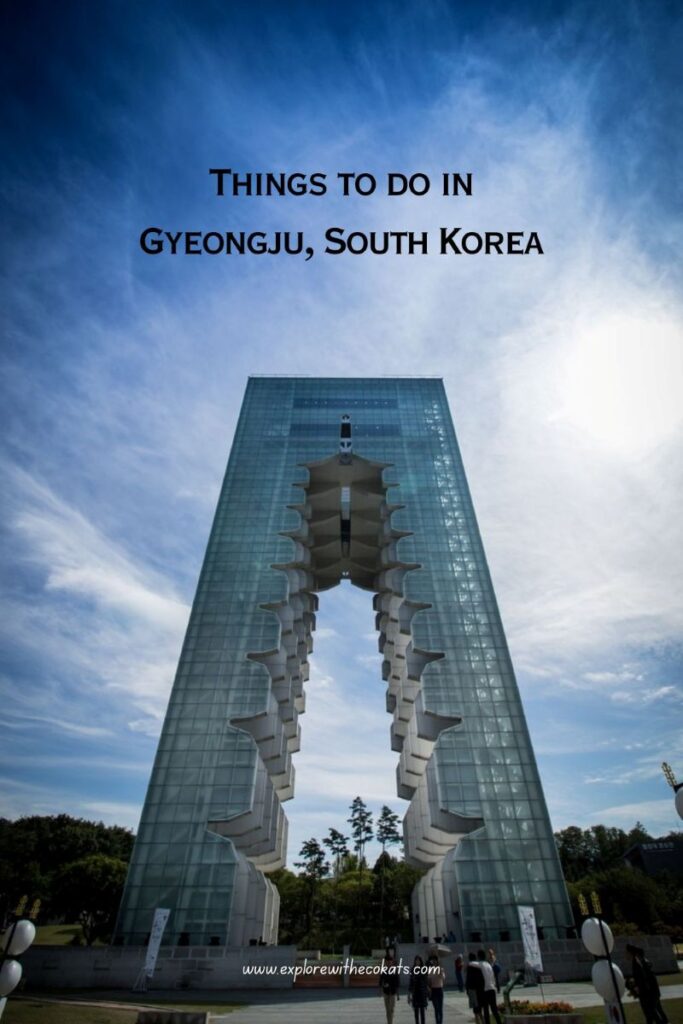
The Gyeongju Tower is one of the city’s most striking modern landmarks. Inspired by Korea’s traditional pagodas, the tower features a dramatic cut-out silhouette that makes it unique and stunning.
By day, its design stands out against the sky, and by night, it glows beautifully from within, creating a magical appearance.
Standing 30 stories tall, the tower offers more than just a unique exterior. Visitors can head up to the observation deck for sweeping views of the Expo Park and beyond.
The park itself is worth lingering in: there’s a tranquil lotus pond that looks magical in the evening, and in summer, the gardens bloom with vibrant roses, adding a burst of colour to the scene.
Gyeongju Tower timings: 9:00 am to 6:00 pm
Gyeongju Tower entry fees: 3,000 KRW for adults
WHAT TO EAT IN GYEONGJU
Most South Korean cities have a dish that stands for them, and in Gyeongju, there’s nothing in particular. However, there are amazing restaurants across the Hwangnidan Street to satisfy your cravings. I found Thai, Italian and Mexican restaurants with delicious food and vegetarian options.
Hwangnam bread
Locals proudly call it Gyeongju bread, a bite-sized pastry with a smooth red bean filling that traces its origins back to 1939, when it was first baked in a small family shop in central Gyeongju. Today, it’s become something of a city symbol. While red bean–filled buns and cakes are easy to find all over Korea, even at street food stalls, this version is recognisable by the delicate chrysanthemum stamped on its golden top.
Beopju
A traditional Korean liquor, historically associated with Buddhist rituals. It carries profound cultural value and a unique flavour.
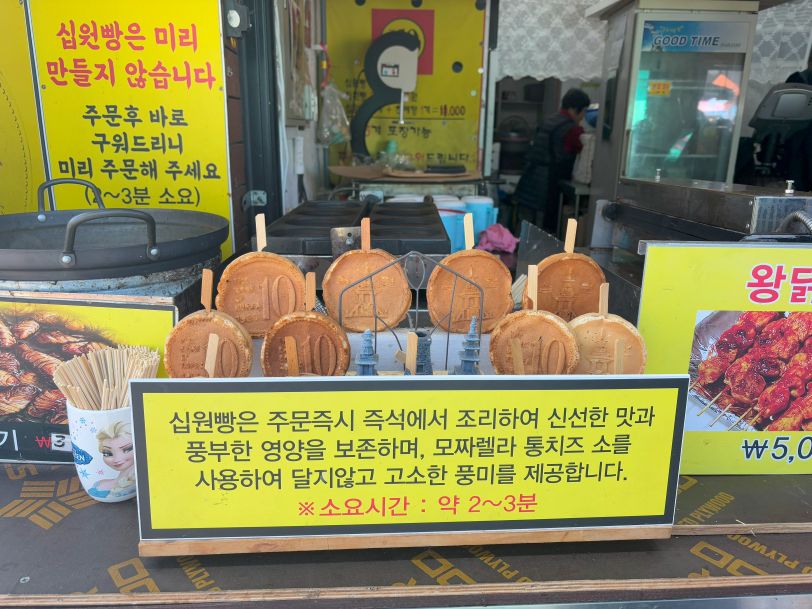
Cheese coin bread in Gyeongju
It refers to 10 Won Bread, a popular street food that originated in Gyeongju in 2019 and is shaped like a 10 Won coin, filled with stretchy mozzarella cheese. This treat is made with pancake or waffle batter and can be found in the tourist areas of the city, especially along the Hwangnidan street.
WHERE TO STAY IN GYEONGJU
While a lot of people take up a day trip to Gyeongju, I highly recommend spending the night. Not only will it provide you with more time to explore the town, but you’ll also feel less rushed. For those interested, I’ve included below some of the most popular places to stay in Gyeongju for one night.
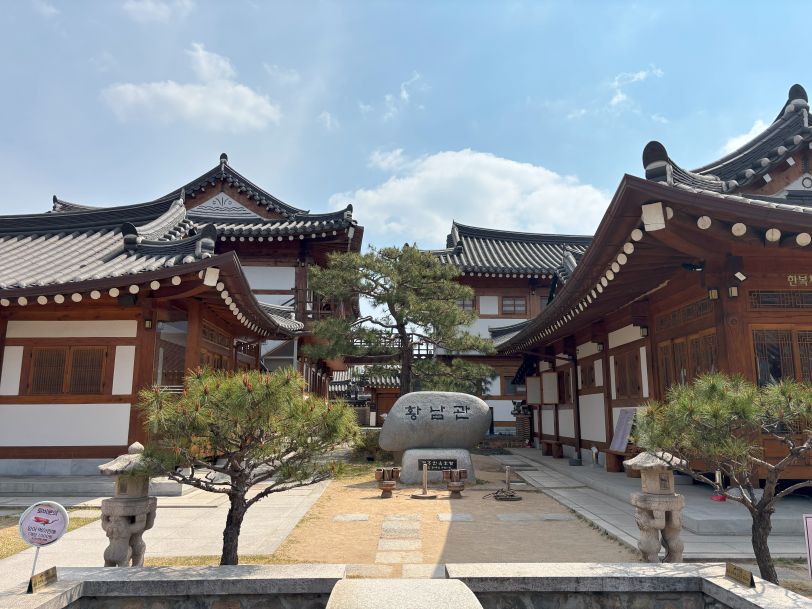
Since the entire town is UNESCO, there are almost no skyscrapers. Ancient homes known as Hanok are either converted into hotel stays or new ones are constructed in that design to give a feeling of traditional wooden Korean houses.
Hanok Stays in Gyeongju: Hwangnamguan Hanok Village, HanokInn
If you want the comfort of hotels, then there are a few options.
Hotels in Gyeongju: Hilton Gyeongju, Aventa Hotel
FAQs ABOUT THINGS TO DO IN GYEONGJU (HOW TO REACH, TRAVEL AROUND AND MORE)
How to reach Gyeongju from Seoul and Busan?
From Seoul
By Train: From Seoul, the easiest and most convenient way to get to Gyeongju is via the KTX. Direct trains are available from Seoul Station every hour and take two hours. The KTX train station in Gyeongju is actually located outside of the city centre, so you’ll have to catch a taxi or take a bus to your accommodation. Uber and KakaoT are available.
Reserve KTX ticket: Seoul – Gyeongju KTX Train Ticket
By Bus: Take an express bus from Seoul to Gyeongju. The trip takes 3 and a half hours. Reserving a seat online or directly after reaching the Express Bus Terminal is possible.
Reserve Bus Ticket: Seoul Express Bus Terminal to Gyeongju Bus Terminal bus
From Busan
By Train: Again, the KTX is the best option as it runs every 30 minutes and takes about half an hour.
By Bus: Buses are available from Nopo Bus Terminal to Gyeongju. Some buses run every hour, and they take about 45 minutes.
Reserve KTX Ticket: Busan – Gyeongju KTX Train Ticket
How to get around Gyeongju?
While the city is very walkable and most tourist attractions in Gyeongju are close to one another, some places, such as Bulguksa and Gyeongju Namsan Mountain, are far. The best way to get around is via public transportation. Pay by tapping your T-Money card for hassle-free cashless payment!
Gyeongju Hanbok Experience
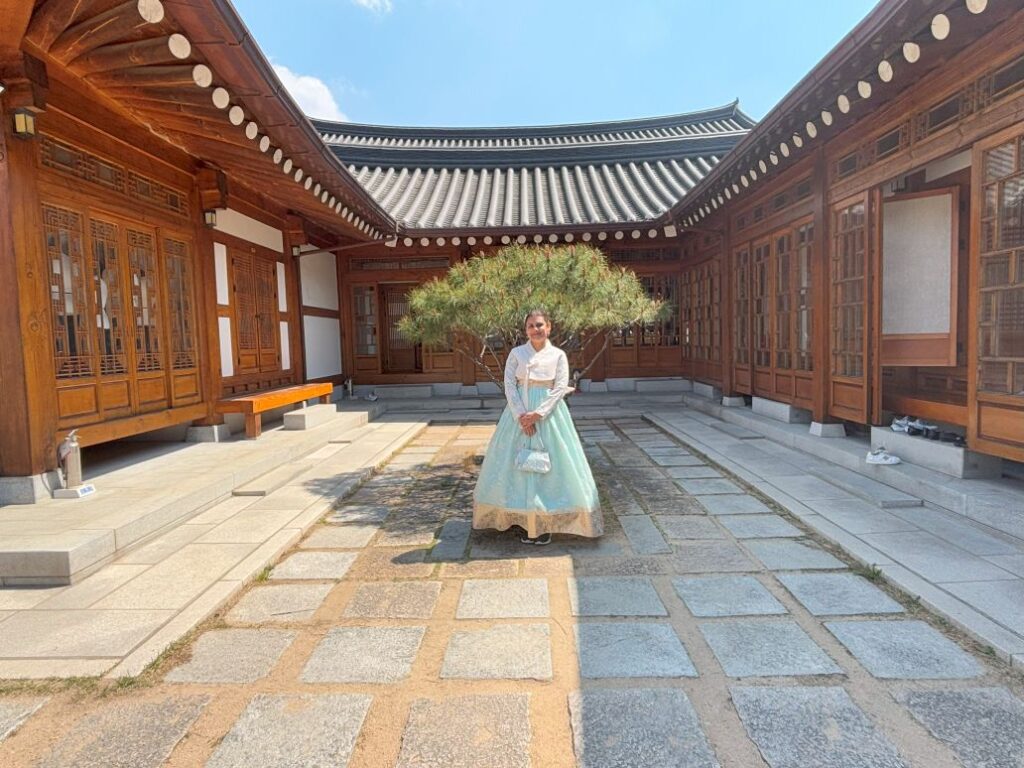
Being the UNESCO Heritage Town, it only makes sense to don a Hanbok and walk the streets of Gyeongju. While Hanbok Photoshoot is popular in Gyeongbokgung Palace, Seoul, and Gamcheon Village, Busan, the charm of wearing it here is different. I felt a part of this town when I wore one here.
✦ Pro Tip: Book Gyeongju Hanbok Experience
Is Gyeongju worth visiting?
Yes, being one of the most ancient towns and UNESCO heritage sites scattered all around the town, it is a must-visit while in South Korea.
Is one day in Gyeongju enough?
While a lot of visitors keep only one day to explore Gyeongju and shuttle from Seoul, I highly recommend spending at least one night in Gyeongju to explore the beautiful Hwangnidan Street and the many tourist sites that look beautiful in night lights.
Are Gyeongju Tours good?
Yes, these day tours are guided and cover all the places of interest. However, they are a bit fast-paced since they want to cover all Gyeingju Highlights. If you are travelling solo, then this is a great way to travel around without having to figure out the buses, timings and stops.
✦ Pro Tip: Book this Group Day Tour from Busan to Gyeongju UNESCO World Heritage Day
SUSTAINABLE TIPS FOR THINGS TO DO IN GYEONGJU
- Do not climb on tombs and ancient structures. They are protected under the law, and disrespecting it will attract fines and even imprisonment.
- Do not pluck cherry blossom flowers or any flowers or grass.
- Carry your refillable water bottle. Avoid purchasing PET water bottles unless necessary.
- Do not trash tourist destinations and mass transit systems with wrappers and uneaten food. Use designated areas and the right bins for disposing of waste.
- Be mindful of all the signs and follow them respectfully, especially in temples.
- Do not write on the pillars and walls of archaeological sites and monuments.
Need More South Korea inspiration? Read these posts
- Cherry Blossoms in South Korea
- Souvenirs from South Korea
- Best Hotels in Seoul Myeongdong
- Jinhae Cherry Blossom Festival
- Beomeosa Temple Stay
- DMZ Tour from Seoul
- One day in Seoul
- Vegetarian Food in South Korea
Disclaimer: This post contains affiliate links. It means it adds no extra cost to you if you book through the link, but I get a referral bonus, which helps me earn a little to keep this website up and running.
PIN THIS POST!