Last Updated on March 5, 2026 by Ketki Gadre
Planning a trip to East Africa and wondering which are the best safari parks in Kenya that are must visit? Read on to know what each park offers and make a calculated decision rather than blindly following a social media video.
Being a wildlife enthusiast since my university days (Environmental science post-graduate), I have enjoyed sighting wildlife and birds in their natural habitat. And that’s obviously why Kenya had forever been on my bucket list – not only for the animal diversity but also for the dramatic landscapes.
I was finally able to visit Kenya at the end of 2025 and was able to visit not one, not two but five safari parks over a period of 10 days. Which is why I am pouring all my knowledge here.
I get it – planning a Kenya trip can be overwhelming – which park to visit, what to give a miss. Although I am listing all the safari parks in Kenya, I am rating the ones that I visited based on my experience and which one should definitely be on your radar. Depending on the number of days, you can customize your itinerary.
Table of Contents
BEST SAFARI PARKS IN KENYA FOR WILDLIFE
Amboseli National Park
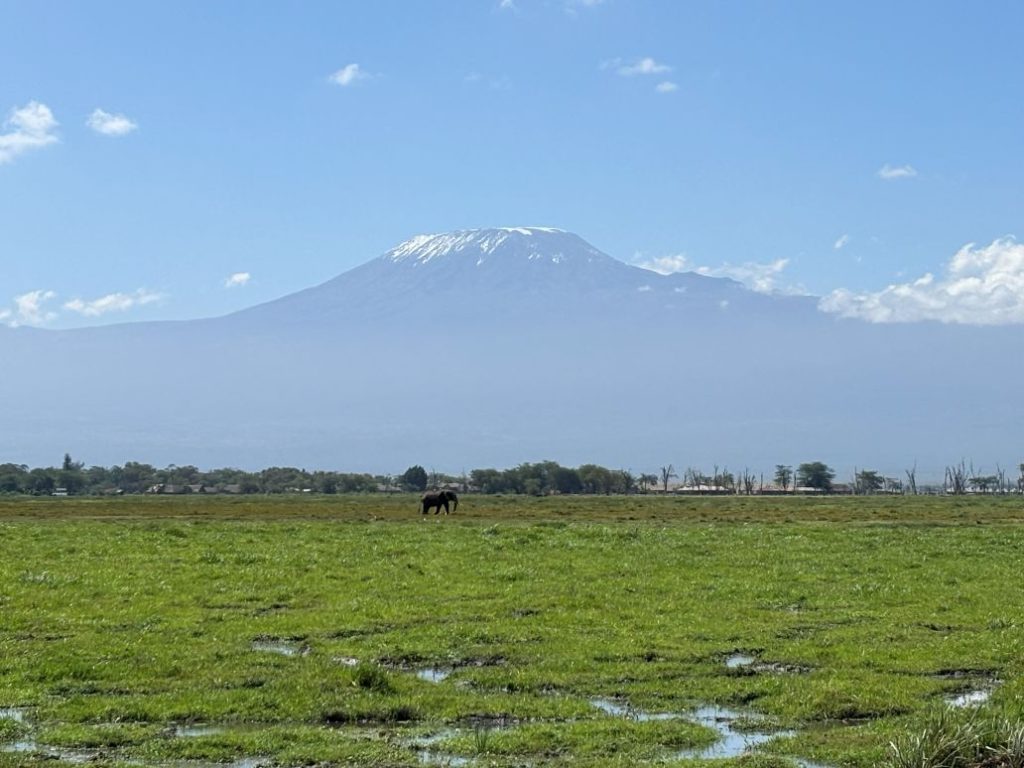
All the people who asked me which safari park in Kenya was best for me, my answer was, is and always will be Amboseli!
With the most fabulous landscape – marsh, rivers, lakes, grasslands there was always the commanding magnanimity of Mount Kilimanjaro in the background. It stood there with or without cloud cover with snow sprinkled on top.
Every drive in Amboseli felt like stepping into a moving wildlife documentary. Herds of elephants slowly crossed the dusty tracks, often pausing near the marshes while flamingos and other birds dotted the shallow waters nearby. Our guide would quietly slow the jeep whenever animals appeared, allowing us to watch them without disturbance — sometimes it was a lone giraffe silhouetted against Kilimanjaro, sometimes a family of elephants marching across the plains.
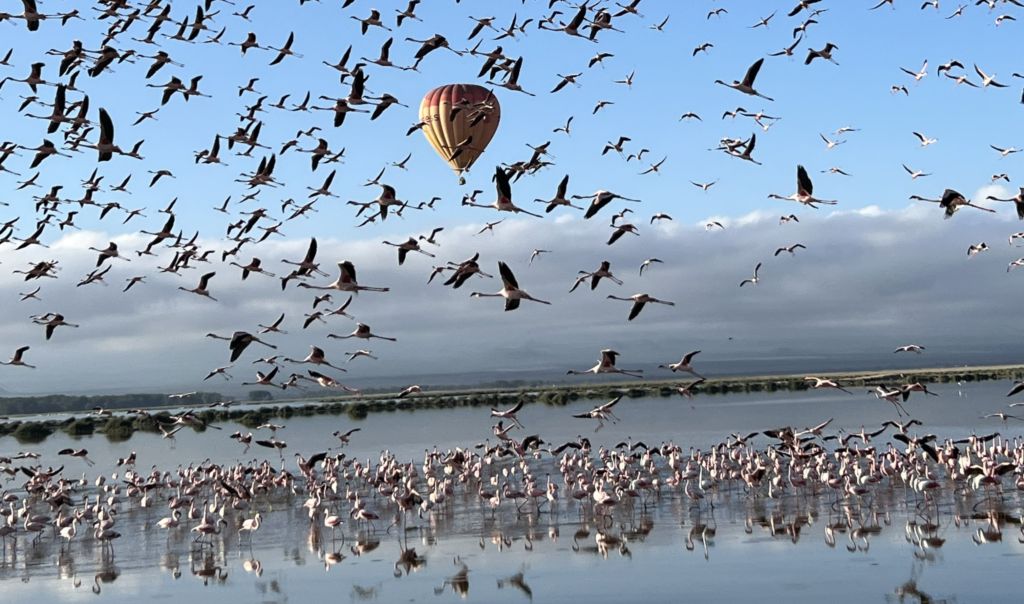
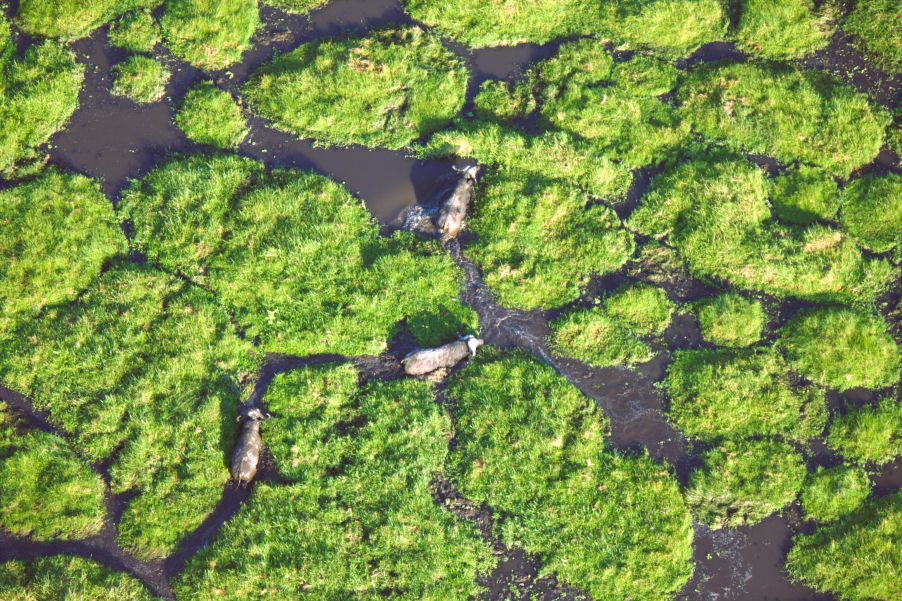
I also hopped onto the most magical ways to experience Amboseli — the hot air balloon. As the balloon gently rose at sunrise, the vast savannah slowly unfolded below — elephants moving in herds, zebras and wildebeests scattered across the grasslands, and giraffes gliding between acacia trees. The balloon had to land in the park which gave us another opportunity for a game drive. The 1.5 hour hot air balloon ride followed by 30 minutes of game drive ended with champagne breakfast overlooking Mount Kilimanjaro.
My rating: 5/5
| Animals spotted: Elephants, Giraffe, Zebra, Wildebeest, African Lion, Hippopotamus Birds spotted: Flamingoes, Pelicans, Black winged stilts, African fish eagle, Grey Crowned-Crane, Superb Starling and more |
Crescent Island, Lake Navaisha
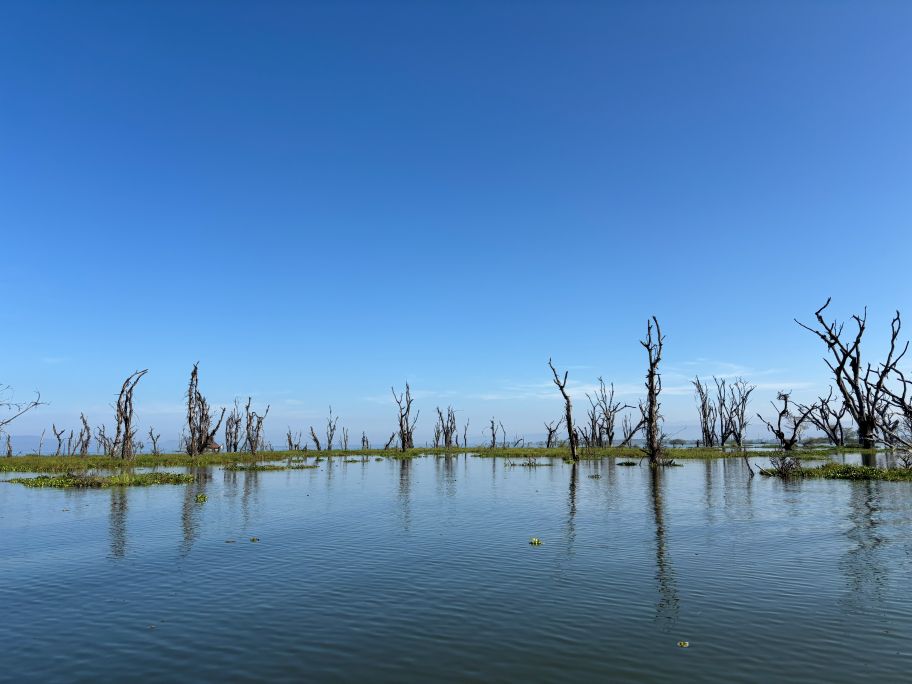
No, Lake Naivasha isn’t a national park. It’s a freshwater lake designated as a Ramsar Wetland site, often visited alongside nearby parks like Hell’s Gate National Park. Close to the lake lies Crescent Island, known for its unique walking safaris. Interestingly, the island’s wildlife originally came here for a film shoot, and after filming ended the animals remained and multiplied. Today zebras, giraffes and wildebeests roam freely across the island.
The experience begins at the lake itself, which is full of birdlife and hippos resting near the shoreline. From here, you take a short boat ride with a ranger to Crescent Island for the walking safari (usually costing around $40–60).
Walking across the island feels wonderfully immersive. Giraffes, zebras and waterbucks often graze nearby, and without predators around, the animals are noticeably calmer. Over two to three hours, the ranger-guide shares fascinating insights while you explore the island on foot.
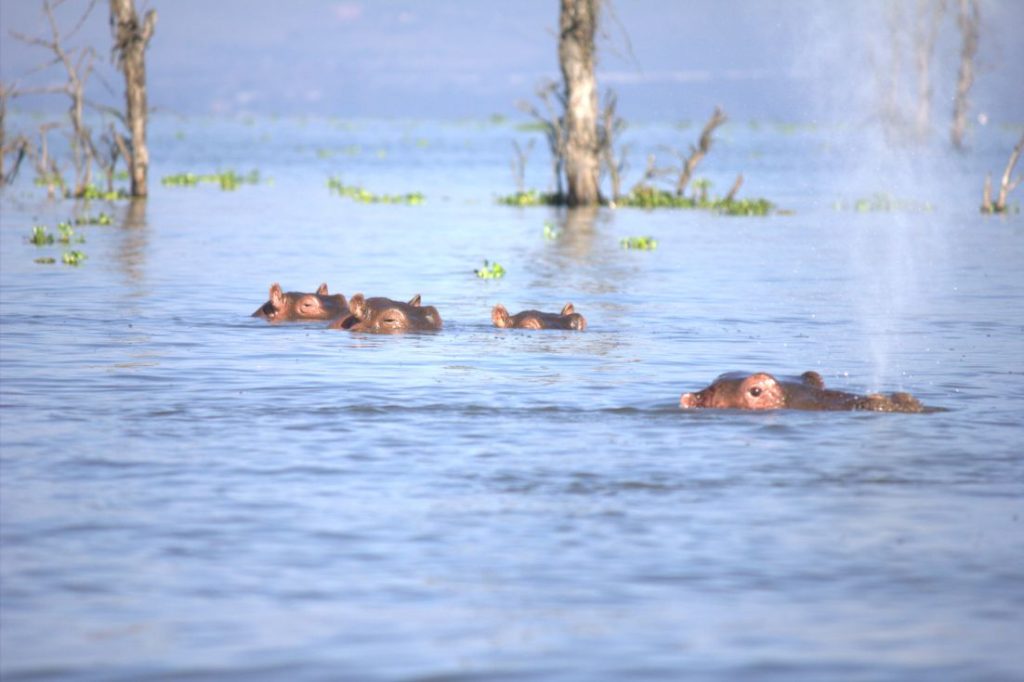
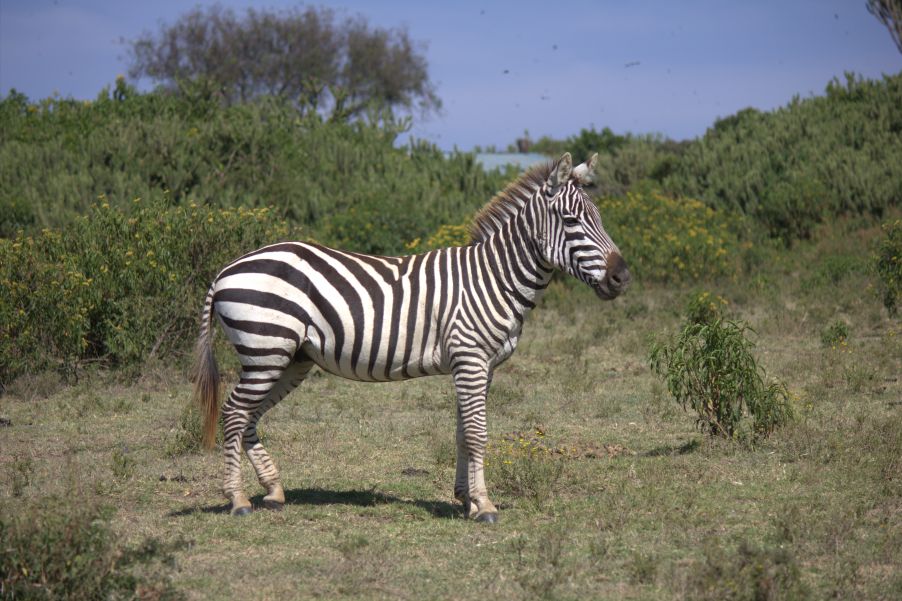
While this is a unique way to get closer to the animals, I honestly feel that the thrill of watching them from a safe distance from a safari vehicle is better.
My rating: 3/5
| Animals spotted: Hippopotamus, Maasai Giraffe, Zebra, Wildebeest, Waterbucks. Birds spotted: African Fish Eagle, Pied Kingfisher, Reed Cormorant, White-breasted Cormorant. |
Lake Nakuru National Park
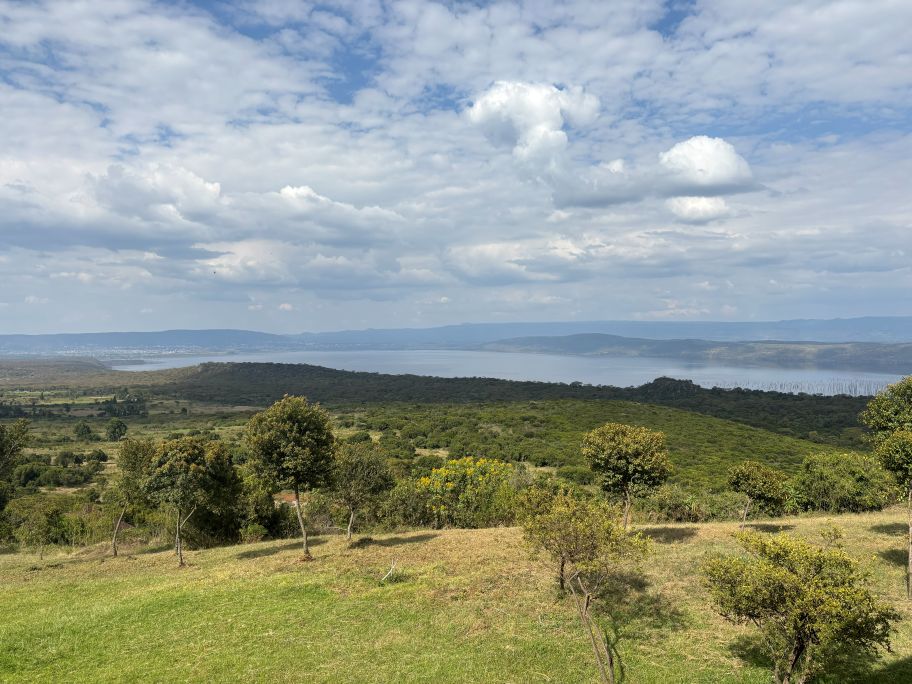
Lake Nakuru is often called the “Pink Lake,” a nickname it earned from the vast flocks of flamingos that once covered its shores. The lake’s algae-rich waters used to attract thousands of these birds, turning the edges of the lake a beautiful shade of pink. While many flamingos have since moved to Lake Bogoria, plenty can still be spotted here. In 2013, rising water levels changed the lake’s ecosystem, affecting the algae and reducing the flamingo numbers, but the lake remains full of birdlife.
What makes Lake Nakuru National Park special is its variety of habitats — grasslands, acacia forests and the lake itself, which means there’s always something to see. Baboons seem to be everywhere, often lounging in trees or wandering along the roadside.
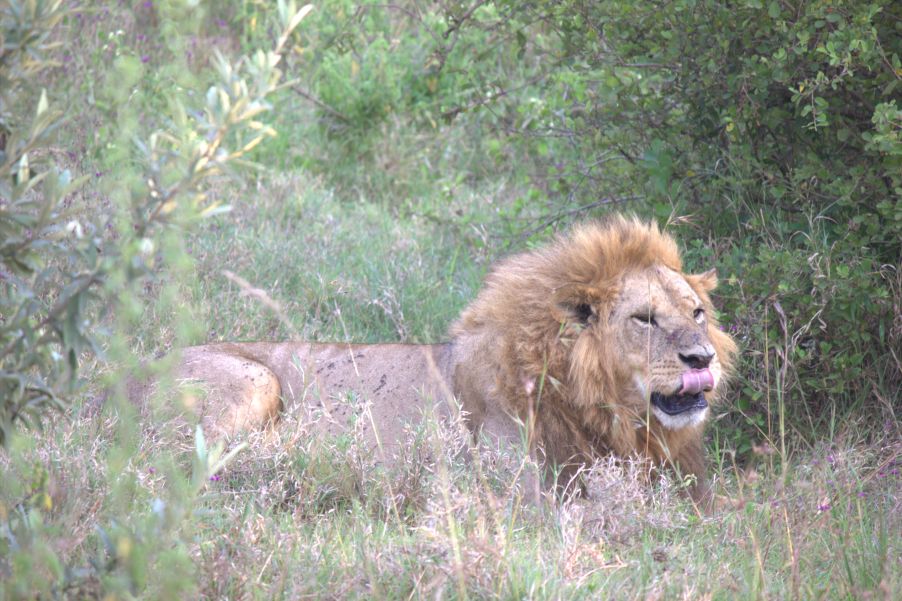
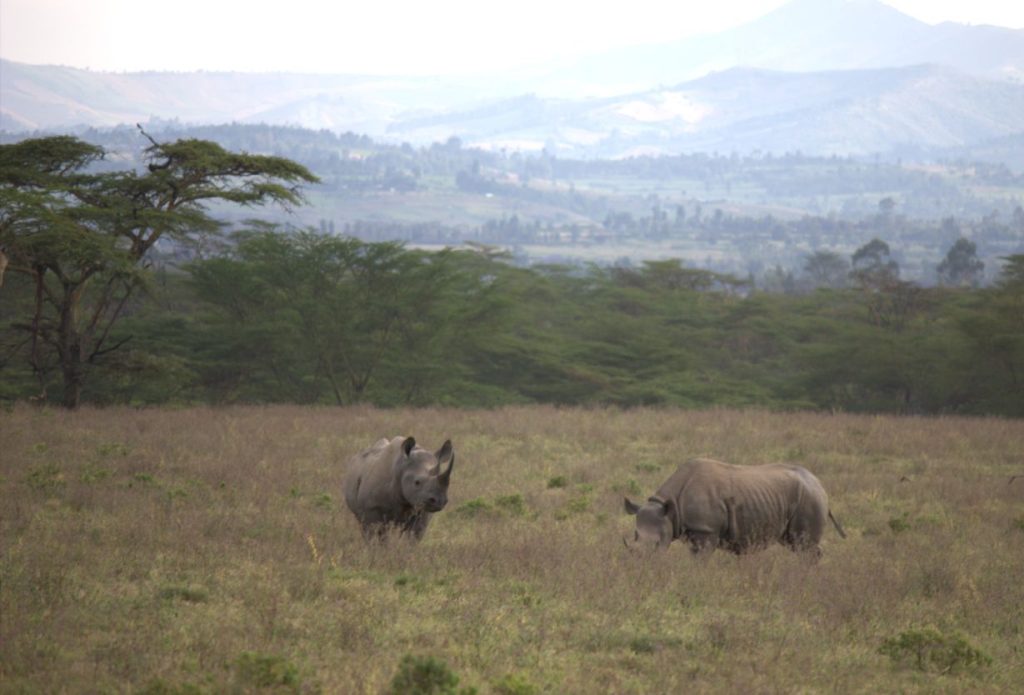
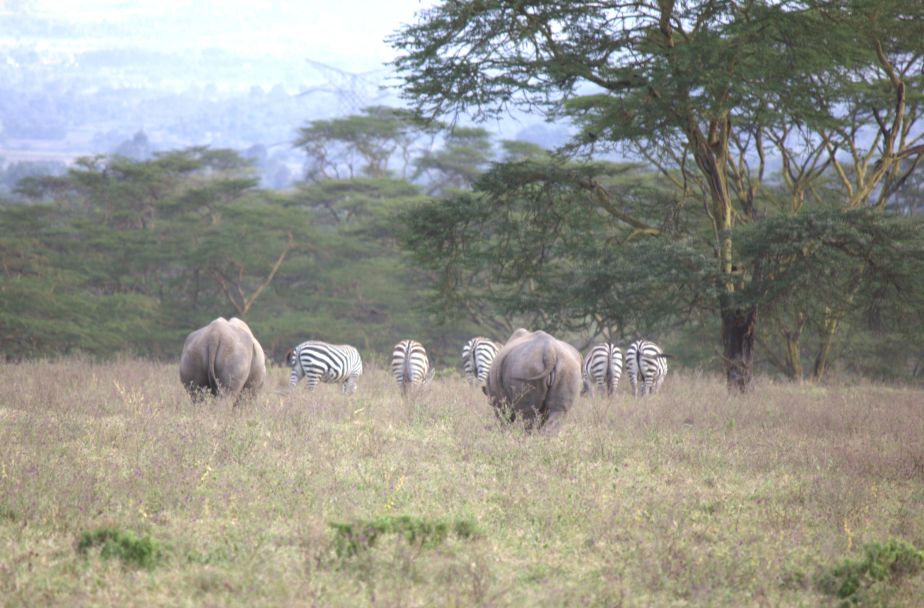
The park is also one of the best places in Kenya to see rhinos. During our drive, I was lucky enough to spot a female eastern black rhino walking calmly with two calves, a quiet but unforgettable moment in a park that holds one of the country’s largest rhino populations.
My rating: 3.5/5
| Animals spotted: African Lion, Rothschild giraffe, Black Rhinoceros, Warthog. Birds spotted: Lesser and Greater flamingos, Great white pelicans, Cormorants, Heron , African fish eagles, Black-winged stilts, and Blacksmith plovers. |
Maasai Mara National Park
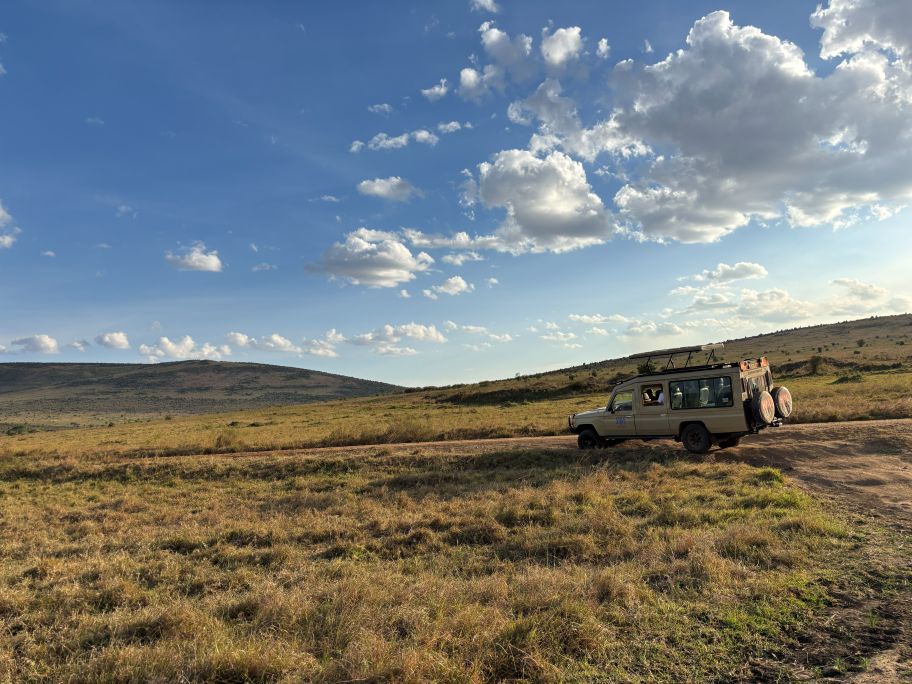
For most wildlife lovers, Maasai Mara National Reserve sits right at the top of the bucket list, largely because of the famous Great Migration. Of course, the reserve has also been in the news for less pleasant reasons — concerns around tourist behaviour, environmental pressure, and development that threatens migration corridors. Yet, despite these challenges, the Mara remains one of the most extraordinary wildlife destinations in Africa.
Often simply called “the Mara,” the reserve was established as a wildlife sanctuary in 1961 and is known for its vast open grasslands that make wildlife spotting incredibly rewarding. This is where huge herds of wildebeest, zebras and gazelles move between Kenya and Tanzania, while predators like lions, cheetahs and the elusive leopard quietly rule the plains.
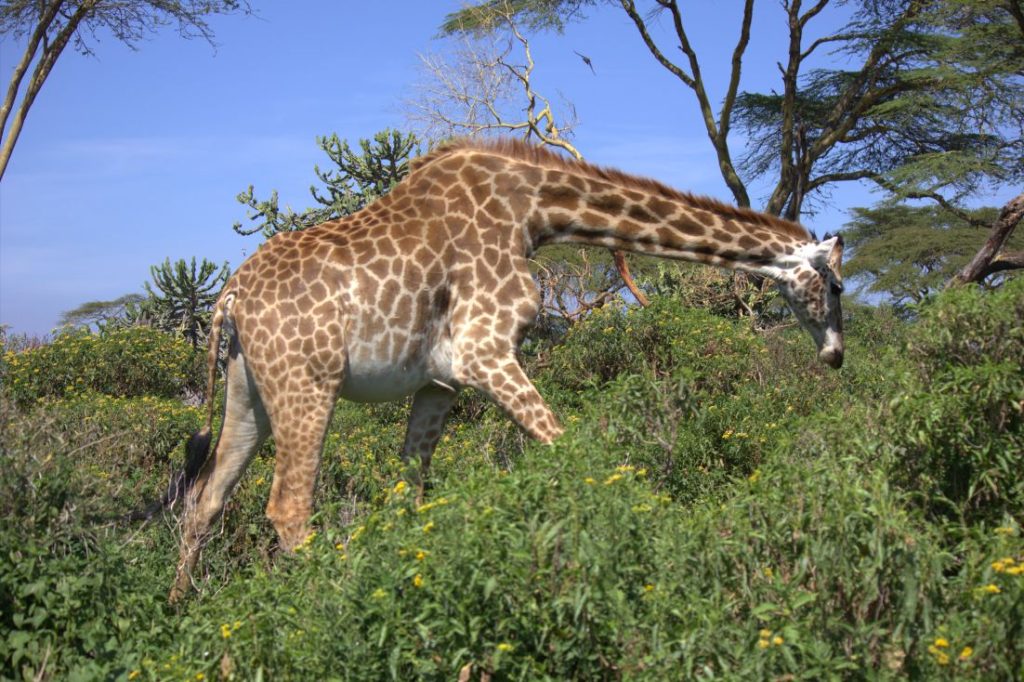
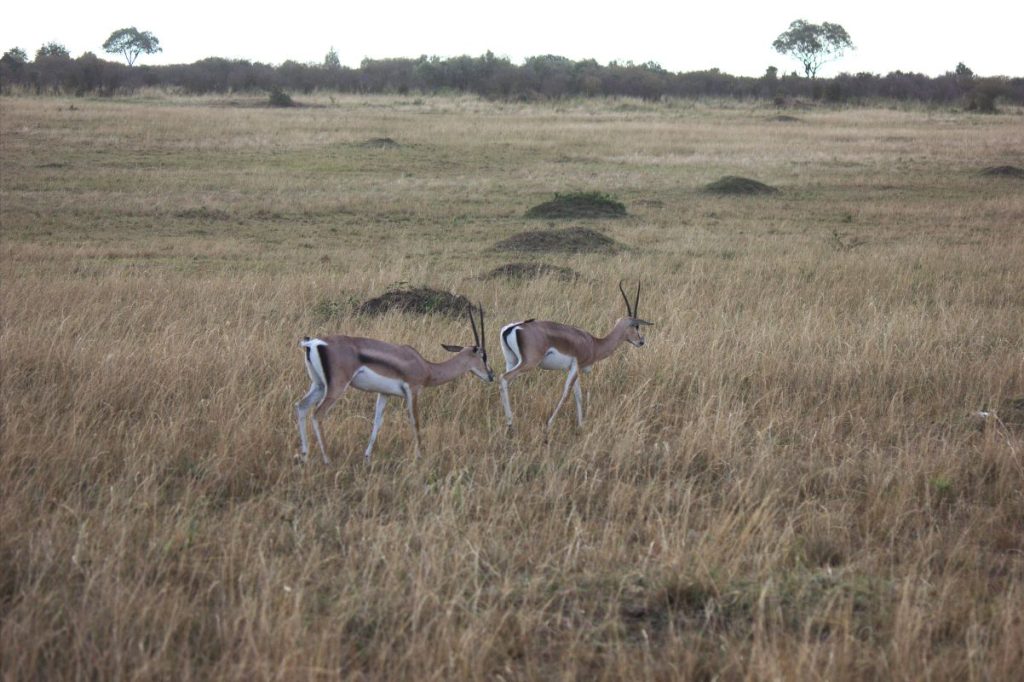
The Mara is enormous, and to truly experience it you really need a couple of days to improve your chances of spotting the Big Five. Unfortunately, my itinerary allowed only about three hours for a safari, which felt far too short. I saw a few animals, but it ended up being a rather underwhelming, ‘meh’ kind of drive — the kind that makes you promise yourself you’ll return someday and do it properly.
My rating: 3.5/5
| Animals spotted: Cape buffalo, Masai giraffe, Hippos, Black rhinos, Wildebeest, Zebras, Topi, Dik-Dik, Impala, and Thomson’s gazelle. Birds spotted: Lilac-breasted Roller, Secretary Bird, Kori Bustard, and African Fish Eagle. |
Samburu National Reserve
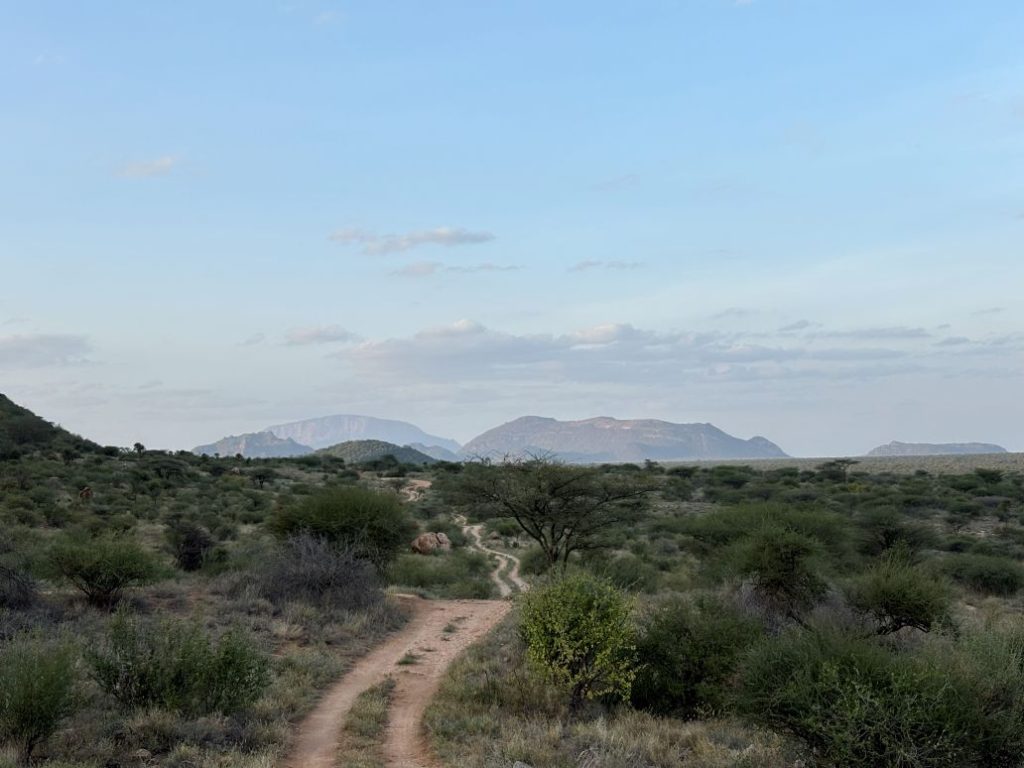
Tucked away in northern Kenya, Samburu National Reserve feels wonderfully wild and remote. The landscape here is strikingly different from the grassy plains of the Maasai Mara National Reserve. Instead of endless savannah, you see rugged escarpments rising over semi-arid plains, with the lifeline of the region — the Ewaso Ng’iro River winding its way through the reserve.
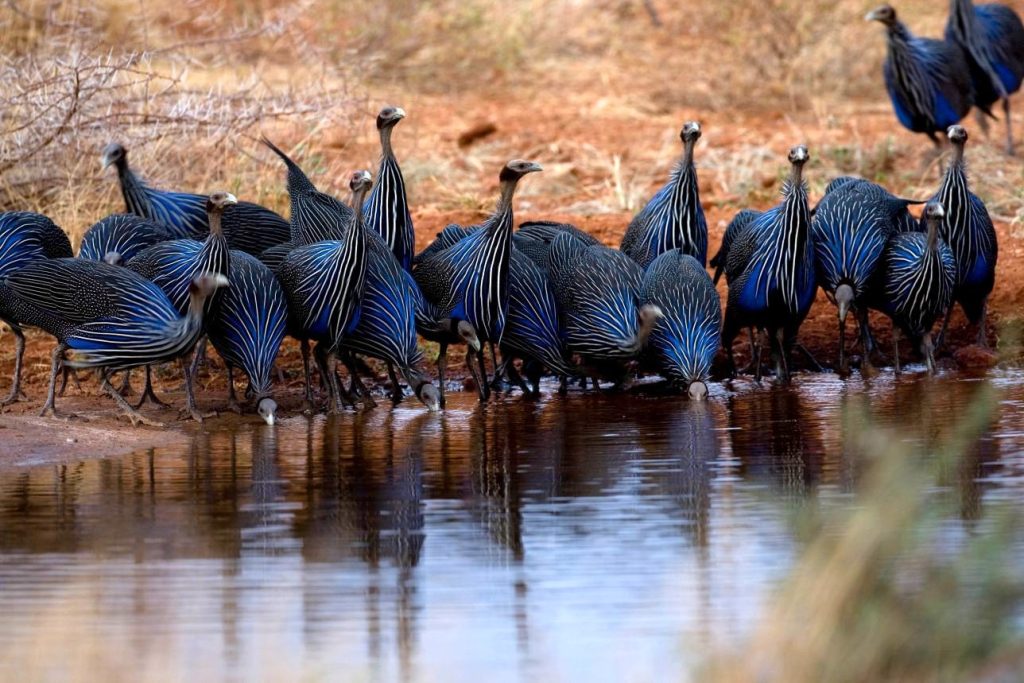
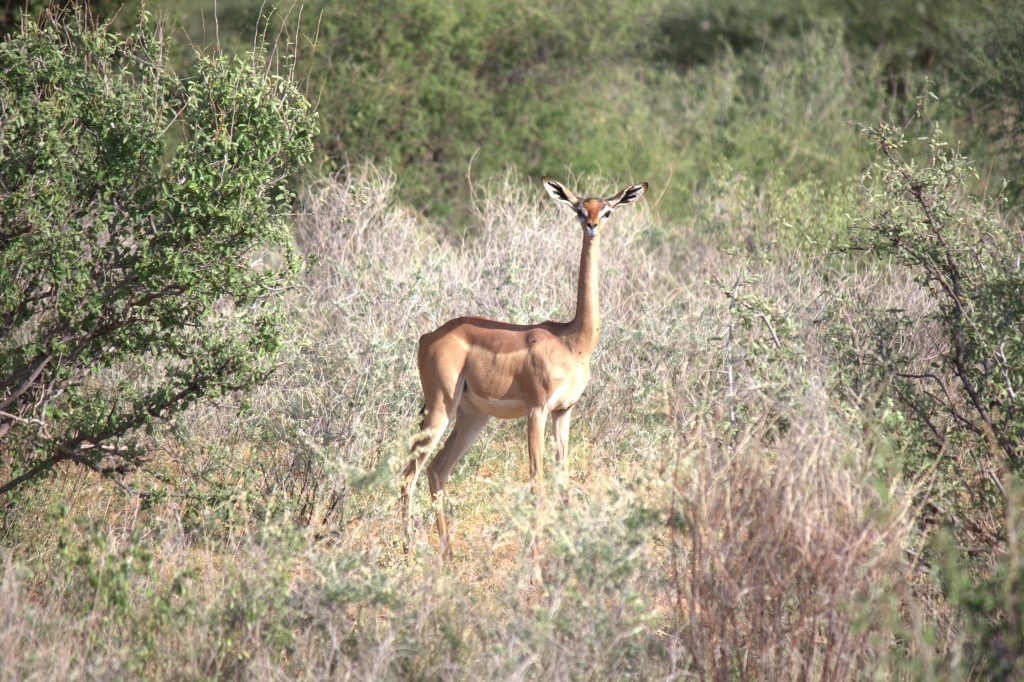
One of the main reasons travellers come here is to spot the famous Samburu “Special Five” animals that are unique to this part of northern Kenya. These include Reticulated Giraffe, Grevy’s Zebra, Beisa Oryx, Gerenuk, and Somali Ostrich. Seeing these species in their natural habitat feels quite special, especially because you won’t easily find them in the southern parks.
My rating: 4.5/5
| Animals spotted: African Lions, Crocodiles, Elephants, Reticulated Giraffe, Grevy’s Zebra, Beisa Oryx, Gerenuk, Dik-Dik, Impala, Black-backed Jackal and Thomson’s gazelle. Birds spotted: Somali Ostrich, Vulturine Guineafowl, Golden-breasted Starling, Jackson’s Hornbill, African Fish-Eagle, Augur Buzzard, Grey-headed Kingfisher, Black-faced Sandgrouse, Red-and-yellow Barbet, and Golden Pipit. |
Meru National Park
Meru National Park, located about 350 km from Nairobi and east of Mount Kenya, feels like one of Kenya’s quieter, lesser-explored safari destinations. The park stretches across wild grasslands, thick jungle, winding rivers and lush swamps, giving it a wonderfully untouched feel.
Despite its remote charm, the park is well equipped for visitors. One of its highlights is the rhino sanctuary, making it a great place to spot rhinos along with other wildlife like hippos, gazelles, reedbucks and plenty of birdlife.
Thanks to its rich landscape and wildlife, Meru offers a rewarding safari experience without the crowds. The dry season from July to October is the best time to visit, and while the park can be explored in a day, spending an extra day lets you truly soak in its quiet beauty.
Mount Kenya National Park
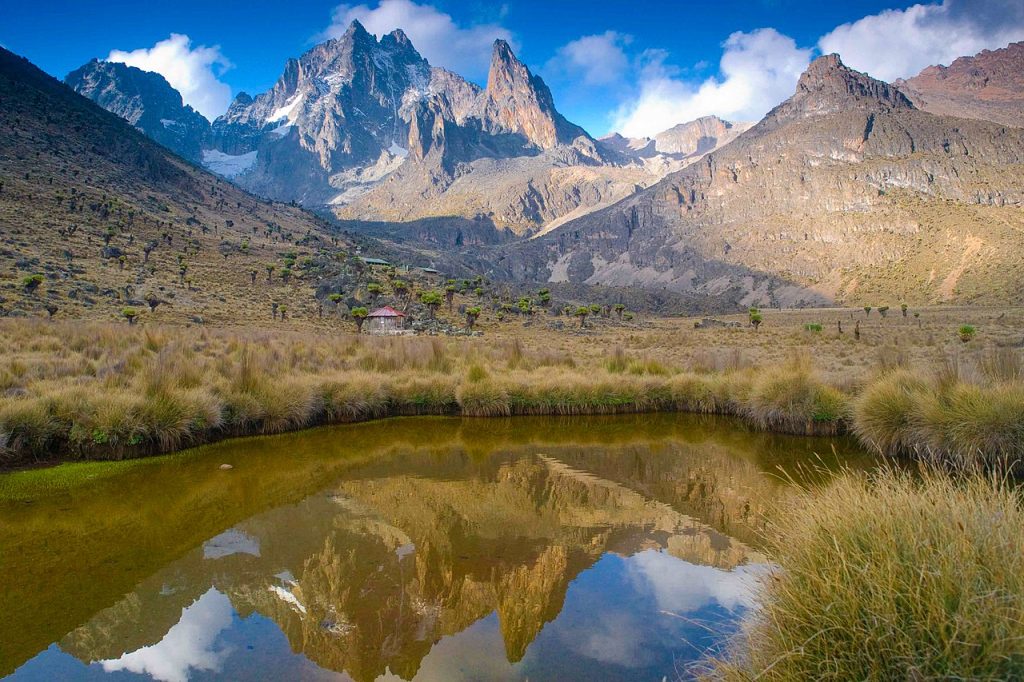
Mount Kenya National Park, is home to Mount Kenya — Africa’s second-highest peak rising to about 5,200 metres. The dramatic mountain dominates the park, but the landscape around it is just as captivating, with glaciers, alpine lakes and rich forests. It’s this remarkable natural diversity that earned the park UNESCO World Heritage status in 1997.
Many travellers come here to trek Mount Kenya, a challenging climb often summed up by the phrase “come touch the sky.” While the summit requires experience, you don’t have to be a mountaineer to enjoy the park. Even relaxed drives and short walks reveal beautiful scenery, diverse wildlife and, if you’re lucky, a glimpse of the elusive leopard.
Hell’s Gate National Park
Located near the town of Naivasha, Hell’s Gate National Park offers one of the most unusual safari experiences in Kenya. Since there are no major predators here, you can actually explore the park on foot or even by bicycle. Cycling past zebras and antelopes with dramatic cliffs rising around gives a more immersive feel of the wilderness.
The park is also known for its striking landscape of towering cliffs, deep gorges and volcanic rock formations. You can spend hours hiking through these rugged canyons, and the area’s geothermal activity means you’ll even find natural hot springs bubbling quietly between the rocks.
Tsavo West
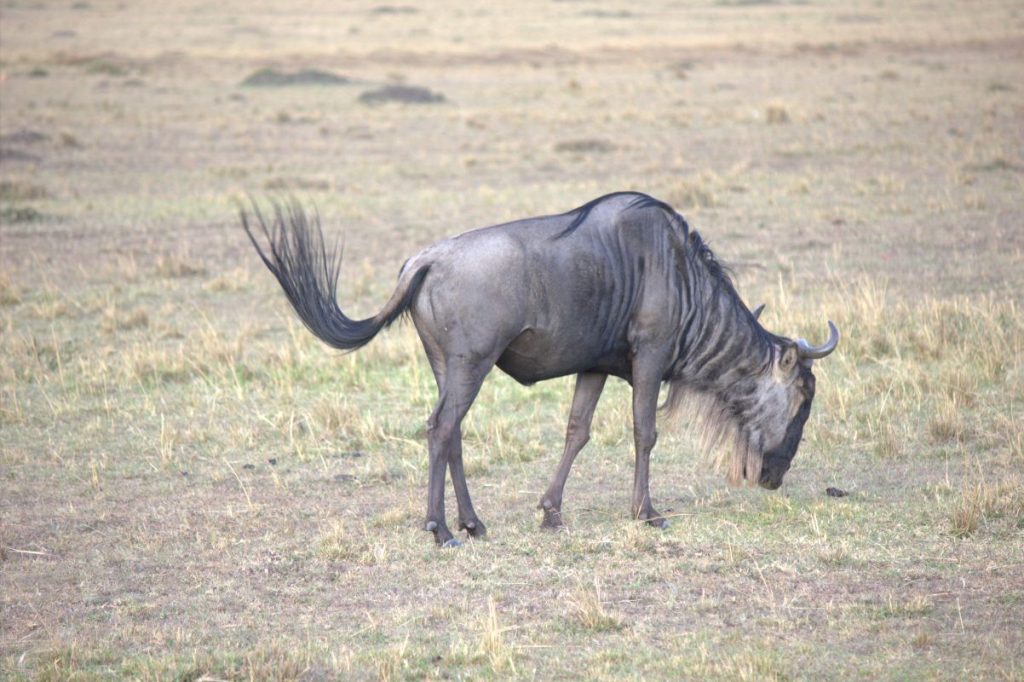
Tsavo West National Park is one of Kenya’s largest and most fascinating safari parks, and it’s often explored together with Tsavo East National Park just across the road. Both parks are about a three-hour drive from Mombasa.
Tsavo West feels wilder and greener than the east, which can make spotting the Big Five a little trickier, but it’s fantastic for birdwatching. The landscape itself is striking with red soil, volcanic terrain and the dramatic Shetani Lava Flow.
One of the highlights here is Mzima Springs, where crystal-clear water attracts hippos and crocodiles. A short walking trail leads to an underwater viewing chamber, offering a rare chance to watch hippos beneath the surface.
Tsavo East
Tsavo East National Park is Kenya’s largest and oldest national park, forming half of the vast Tsavo National Park along with Tsavo West National Park. Often overlooked, it’s a surprisingly good and budget-friendly safari option that works well for a short 3-day trip.
Easily reached from Nairobi or Mombasa via Voi, the park’s open savannah and acacia trees make wildlife easy to spot. It’s especially known for its “red elephants,” along with lions, giraffes, buffalo, zebras and over 500 bird species.
A striking highlight here is the Yatta Plateau — the world’s longest lava flow stretching nearly 300 km along the park’s western edge.
Kimana Sanctuary
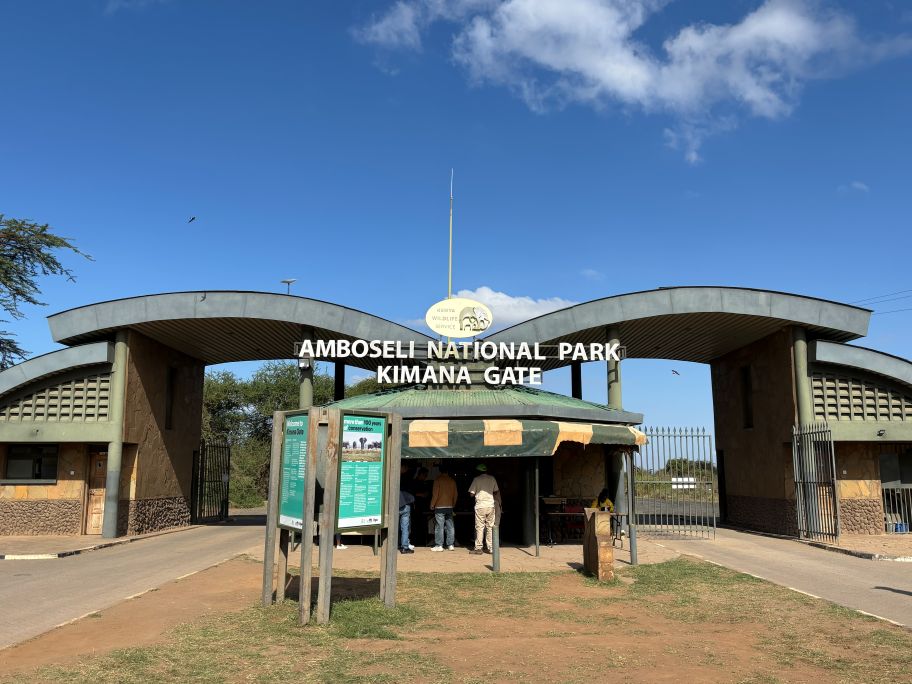
Kimana Sanctuary feels like one of Kenya’s best-kept safari secrets. Sitting right next to its famous neighbour Amboseli National Park, it offers the same sweeping views of Mount Kilimanjaro — but with far fewer tourists.
Spread across about 5,700 acres, the sanctuary lies along an important elephant corridor linking the Chyulu Hills with Amboseli. This route is used by some of Africa’s legendary “Big Tuskers,” bull elephants whose massive tusks almost touch the ground. While the sanctuary is home to all of the Big Five, it’s the sheer number of elephants roaming beneath the shadow of Kilimanjaro that makes the experience feel truly special.
Ol Pejeta Conservancy
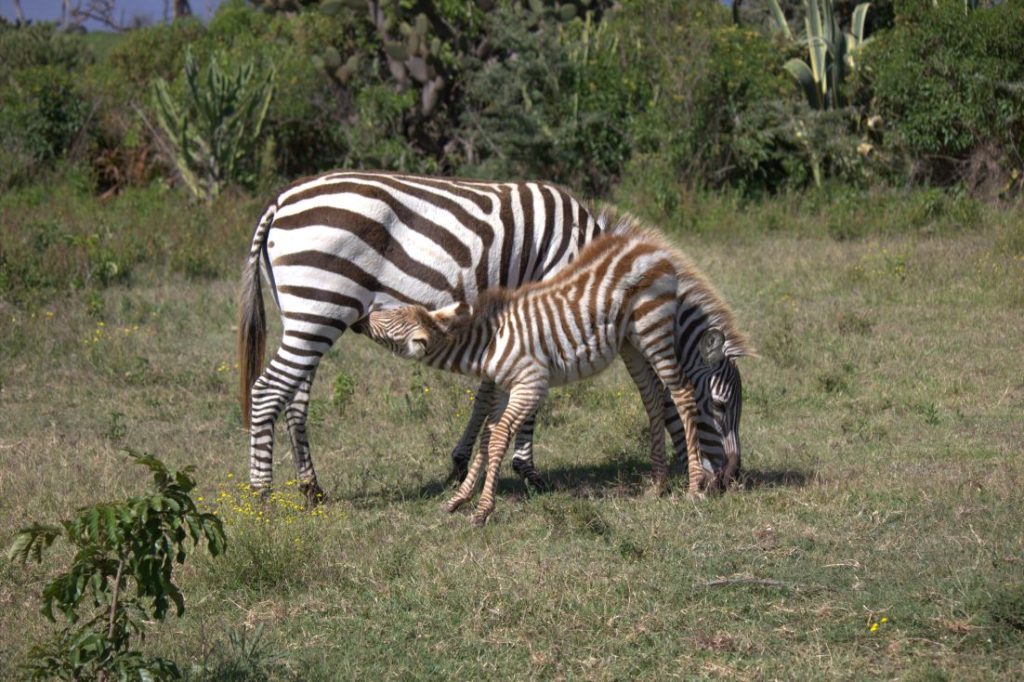
Ol Pejeta Conservancy is often considered one of the best-managed wildlife reserves in East Africa. The conservancy is rich in wildlife, but what really stands out is its strong focus on conservation and community support. It has pioneered several anti-poaching methods that are now being used across the region.
Ol Pejeta is home to the world’s last two remaining Northern White Rhinoceros. Conservationists here are working on advanced in-vitro fertilisation techniques using surrogate rhinos in a hopeful effort to bring the species back from the brink of extinction.
PLANNING A TRIP FOR NATIONAL PARKS IN KENYA
What are the important vaccinations for Kenya?
The Yellow Fever vaccine is mandatory, several other vaccinations are recommended by the NHS, and malaria tablets are strongly advised (usually starting a day before travel and continuing for about 10 days after). Tourist e-visas are easy to arrange online ahead of time.
What do I need for a safari in Kenya?
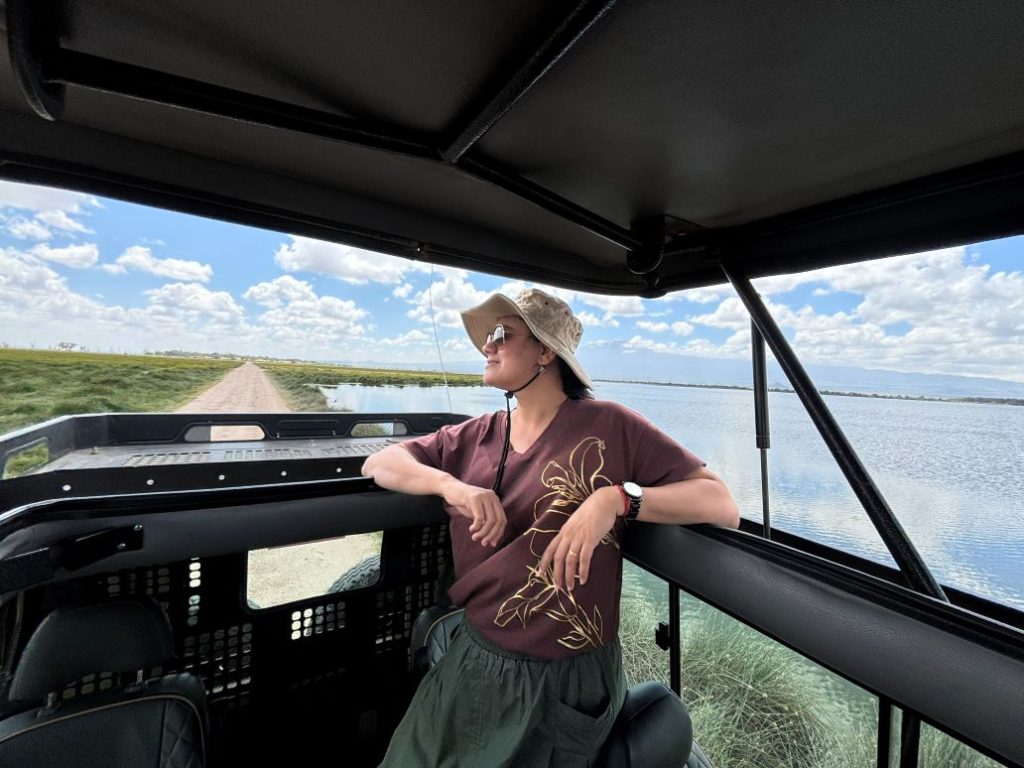
Layers are essential on safari — you can always remove them as the day warms up. While Africa can get very hot, early morning game drives are often surprisingly chilly. It’s best to avoid bright colours and stick to neutral tones like khaki or grey, with simple T-shirts or shirts and light trousers. Comfortable trainers work well, and carrying a jumper and a light jacket that zips or buttons up is always useful.
Most travellers fly to their safari camps in small planes with luggage limits of around 15 kg, usually in soft bags. So pack smart and keep it minimal — three shirts are usually enough since many camps offer overnight laundry. The real essentials are sunglasses, good sun protection, and a hat. When it comes to safari packing, less really is more.
How much does a safari in Kenya cost?
The cost of a safari in Kenya varies widely depending on the style of travel, season, and level of comfort. Here’s a realistic and current price range (2025–2026):
Average cost of a Kenya safari
- Budget safari: about $200–$330 per person per day (often group tours, camping or simple lodges).
- Mid-range safari: about $350–$600 per person per day with comfortable lodges, meals, park fees and guided game drives included.
- Luxury safari: $1,000+ per person per day, could be higher for exclusive lodges and fly-in safaris.
Typical total trip cost
- 5-day safari: roughly $1,000–$2,500 per person depending on budget or mid-range style.
- 7–10 day safari: about $3,500–$6,000 per person for a comfortable mid-range itinerary visiting multiple parks.
Most safari packages include
- Park entry fees
- Accommodation and meals
- A 4×4 safari vehicle and driver-guide
- Daily game drives and transfers.
Where to stay on safari in Kenya
Accommodation during safari in Kenya ranges from simple camps to ultra-luxury lodges, so you can easily find something that fits their budget. Most safari stays include full board meals, game drives and sometimes park transfers, which is why nightly prices appear higher than regular hotels.
Budget camps and simple lodges ($120–$250 per person/night)
These are great for travellers who want the safari experience without spending heavily. Expect comfortable tents or basic lodge rooms, shared safari vehicles and simple amenities. Some options are:
These options still put you right in the wilderness, often with wildlife wandering close to camp.
Mid-range safari lodges ($250–$500 per person/night)
This is the most popular category for travellers — comfortable rooms, good food, swimming pools and organized game drives. Well-known names include:
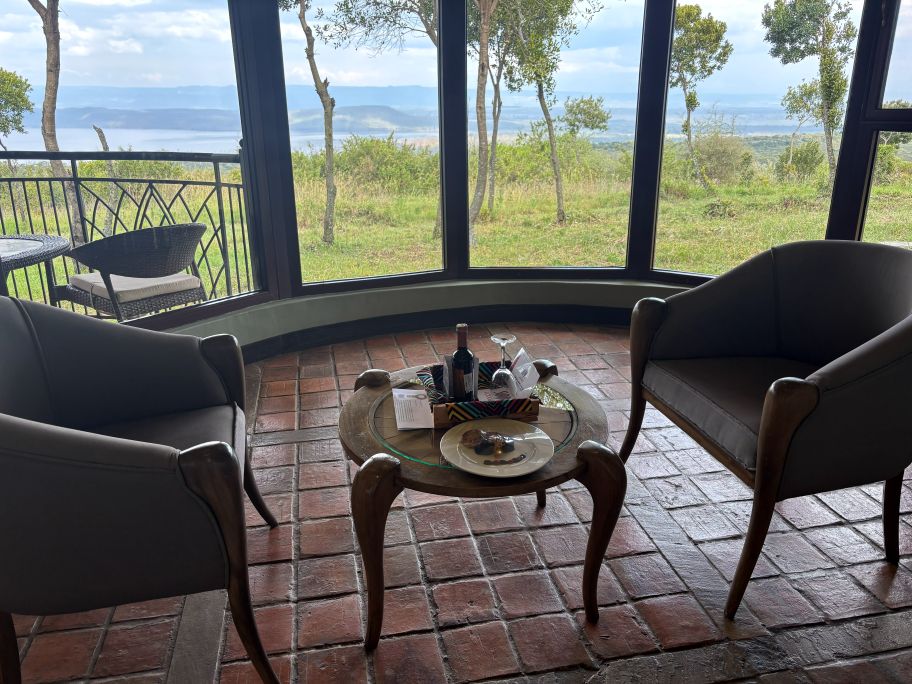
Sopa Lodges (Amboseli Sopa Lodge, Samburu Sopa Lodge, Masai Mara Sopa Lodge) – reliable mid-range safari properties with spacious rooms and large grounds. Nightly rates can start around ₹17,000–₹27,000 ($200–$300) for two people, depending on dates.
Serena Safari Lodges such as Mara Serena Safari Lodge or Amboseli Serena Safari Lodge – well-established safari hotels known for good service and scenic locations. Prices are often around ₹27,000–₹45,000 ($350–$500) per person per night depending on season.
Luxury safari camps ($600–$1,500+ per person/night)
Luxury camps focus on privacy, exclusive locations and high-end experiences such as private guides, gourmet dining and panoramic tented suites. Popular luxury options include:
Sarova Mara Game Camp – A comfortable luxury safari camp set in the heart of the Maasai Mara, known for its spacious tents, good amenities and easy access to excellent wildlife sightings.
Karen Blixen Camp – A stylish tented camp along the Mara River offering an intimate safari stay with elegant tents and front-row views of wildlife passing by the riverbanks.
When is the best time to go on a safari in Kenya?
The peak safari season runs from June to October, when the dramatic migration of wildebeest and zebra takes place, with vast herds moving across the plains between roughly August and November. It is best to avoid the rainy months of April and May.
FAQs FOR SAFARI PARKS IN KENYA
Which safari parks in Kenya is best?
The biggest name is the Maasai Mara National Reserve, home to some of Africa’s best year-round game viewing as well as the annual Wildebeest Migration. Amboseli comes second.
What are the big 5 in Kenya safari?
The term “Big Five” goes back to the colonial days of game hunters and the difficulty of pursuing on foot and ultimately killing the animals. The big five are – lion, leopard, African buffalo, elephant, and rhinoceros
How many safari parks in Kenya are present?
Kenya is home to more than 40 national parks and wildlife reserves, each created to protect natural habitats and preserve the country’s remarkable wildlife.
Kenya vs Tanzania – which is a better safari park for wildlife viewing?
Both Kenya and Tanzania offer outstanding wildlife experiences, but Kenya often provides easier and quicker sightings in parks like Maasai Mara National Reserve, especially during the Great Migration. Tanzania, with vast landscapes such as Serengeti National Park, offers a larger wilderness and bigger herds, making it ideal for those seeking a more expansive safari experience.
Which of these safari parks in Kenya have you been to? Which was your favourite? Tell me in the comments below.
SUSTAINABLE TIPS FOR GOING TO SAFARI PARKS IN KENYA
- Do not get down from the safari vehicle in the national park as it is against the rules.
- Wear camouflage colours that will easily blend with the grassland and habitats – shades of green, brown and grey.
- It is totally understandable to get excited when you spot a wild animal in the jungle. But do not make noises – whisper if necessary.
- You may carry water and snacks in the safari vehicle but do not dispose of plastic or leftover food in the bush. Keep it in your bag or car and dispose of it safely once you return to the hotel.
- Do not feed anything to wild animals.
READ MORE FROM KENYA
Disclaimer: This post contains affiliate links. It means it adds no extra cost to you if you book through the link but I get a referral bonus which helps me earn a little to keep this website up and running.
PIN THIS POST!